
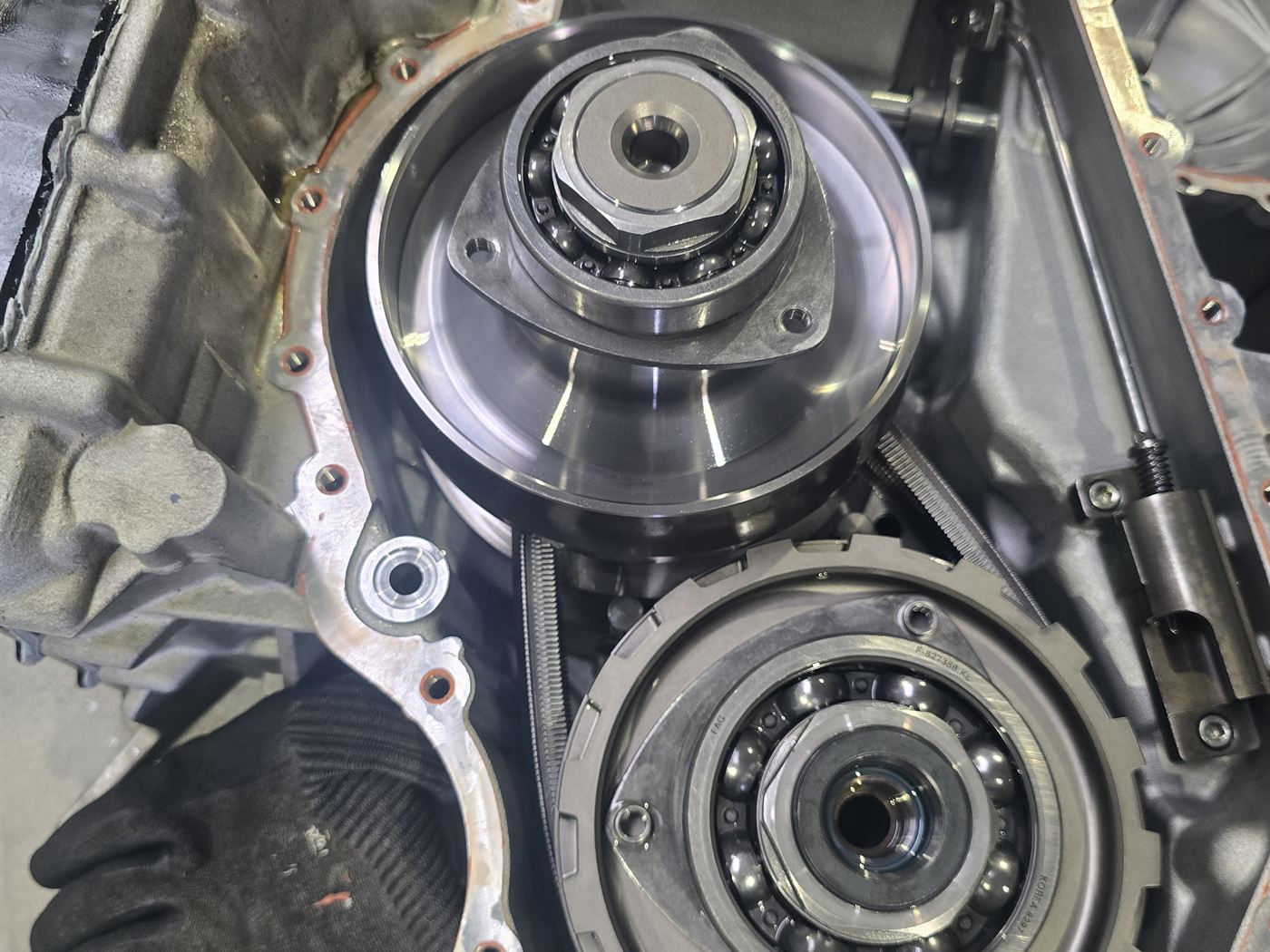
When drivers think about UAE heat and their vehicle, the AC and the engine cooling system usually come to mind first. The transmission rarely gets a second thought — until it starts slipping, shifting roughly, or failing outright, usually at the worst possible moment. That's a shame, because a transmission rebuild or replacement is one of the most expensive repairs a vehicle can need, often costing several times more than the fluid service that would have prevented it. In Ras Al Khaimah's climate, transmissions work harder and run hotter than almost anywhere else in the world, and the damage builds up silently for months before it becomes obvious. This guide explains exactly why UAE heat is so hard on transmissions, what to watch for, and how a small amount of regular attention keeps a gearbox running for the long haul.
Why Heat Is a Transmission's Biggest Enemy
A transmission — automatic or manual — relies on fluid to lubricate, cool, and in automatics, hydraulically operate the entire system. That fluid has a working temperature range, and once it runs consistently hotter than it was designed for, it starts to break down. Heat accelerates oxidation, which thins the fluid's protective film and burns off the additive package that protects clutch packs, bands, gears, and bearings from wear. Once oxidation sets in, fluid that should be a clear red or amber turns dark brown and starts smelling burnt — a sign that it has already lost much of its ability to protect the transmission. In a mild climate, transmission fluid can comfortably do its job for tens of thousands of kilometres. In RAK's ambient heat, that same fluid is under thermal stress every single time the vehicle is driven, and the safe service life shrinks considerably.
Stop-Start Traffic Multiplies the Problem
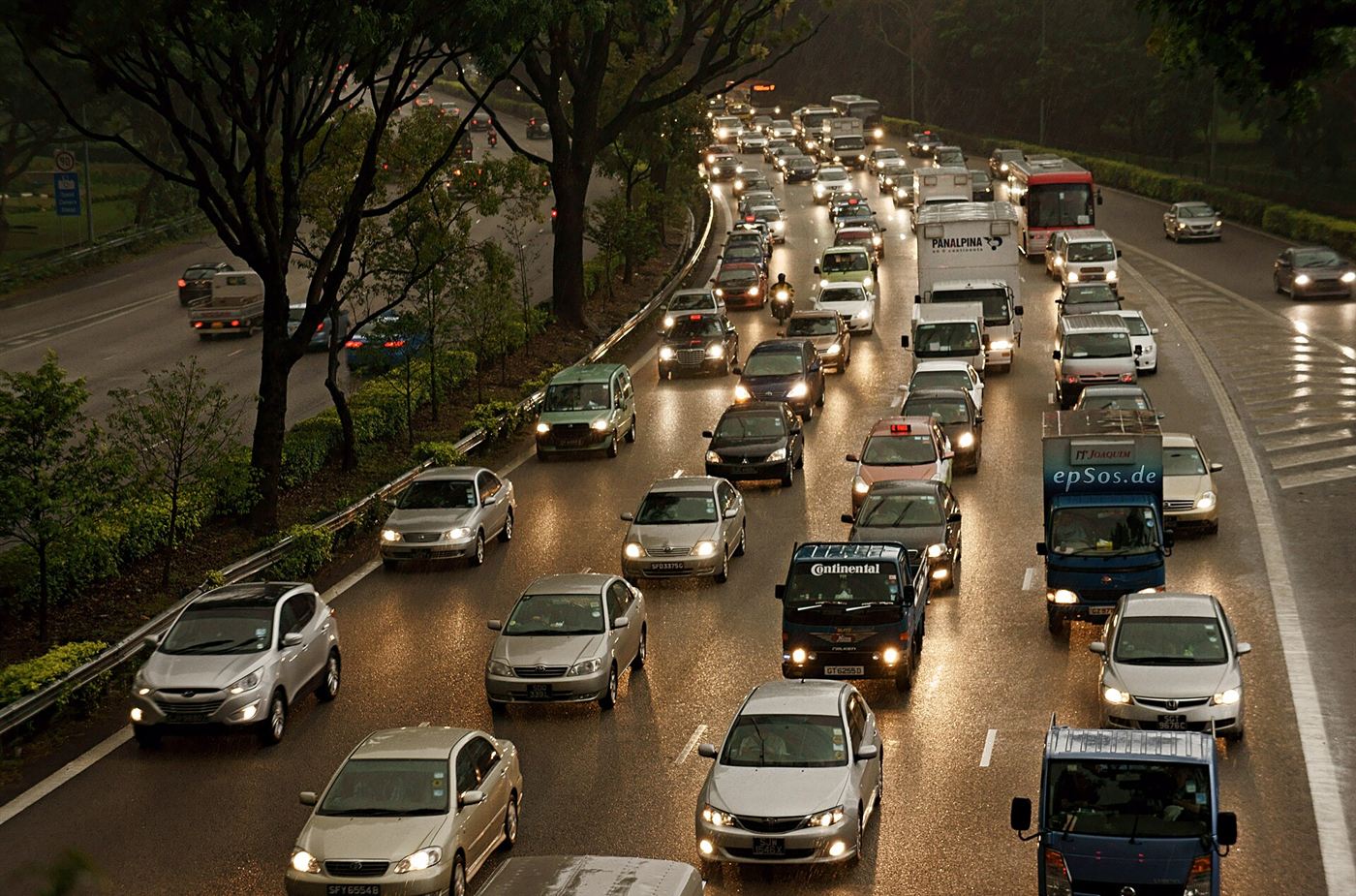
Highway driving is actually relatively kind to a transmission — steady speed means steady airflow across the transmission cooler, and the gearbox settles into a consistent temperature. RAK's city traffic is the opposite. Stop-start driving keeps the torque converter in an automatic transmission working overtime, constantly absorbing slip as the vehicle accelerates from a stop, while road speed — and the airflow that comes with it — stays low. That combination generates significant internal heat with very little to carry it away, and it's made worse by the fact that ambient air temperature is already elevated for most of the year. A transmission that might run comfortably at 90°C on the highway can climb well past 120°C in heavy city traffic on a hot afternoon — and every 10°C above the ideal operating range roughly halves the fluid's usable life. This is exactly the kind of driving most RAK vehicles do every single day.
Towing and Load Make It Worse
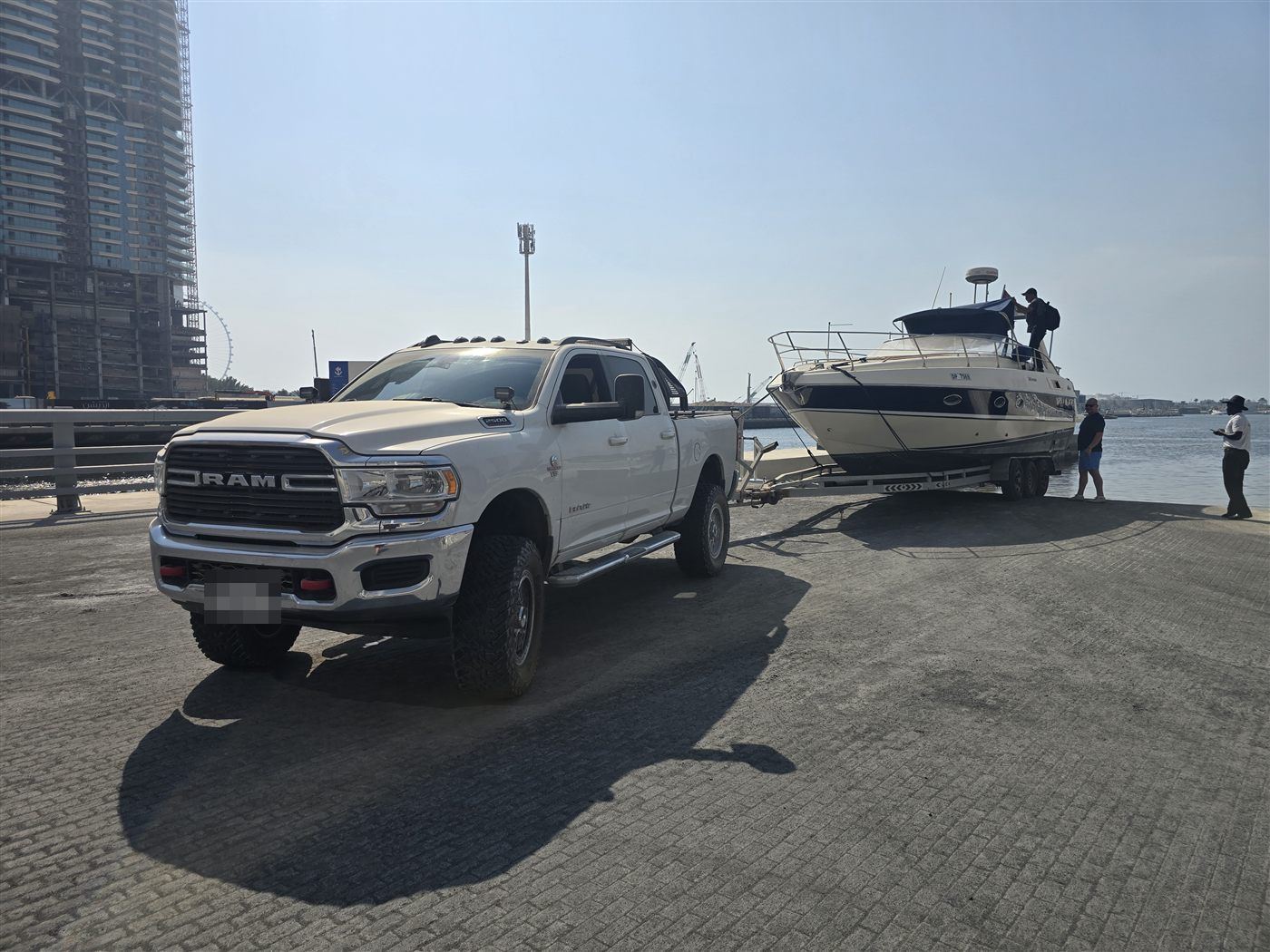
Anyone who tows a boat, jet ski, or trailer in RAK — which we see constantly given our marine and offroad customer base — is putting extra demand on a system that's already working hard against the heat. Towing increases the load on the transmission, particularly the torque converter, generating substantially more heat than unloaded driving. Combine that with a hot afternoon, a loaded trailer, and a stretch of stop-start road near the marina, and you have one of the most stressful scenarios a transmission can face. Vehicles that tow regularly benefit enormously from an auxiliary transmission cooler if one isn't already fitted, and from sticking to a shorter fluid change interval than the manufacturer's standard recommendation, which usually assumes towing in a much milder climate than RAK's.
Automatic vs Manual: Different Risks, Same Root Cause
Automatic transmissions are more exposed to heat damage because of the torque converter and the sheer number of hydraulically-actuated components relying on fluid condition, but manual gearboxes aren't immune. Manual transmission and differential fluids also break down under sustained heat, losing viscosity and protective qualities, which accelerates wear on synchros, bearings, and gear teeth. The symptoms show up differently — a manual gearbox tends to get notchy or harder to shift rather than slipping — but the underlying cause is the same: fluid that's been cooked past its working life and can no longer do its job. Whichever type of transmission you're driving, the same principle applies — UAE heat shortens fluid life, and the manufacturer's "one-size-fits-all" service interval is written for a climate far gentler than this one.
Warning Signs Not to Ignore
A stressed transmission usually gives warning before it fails completely, but the signs are easy to write off as "just the heat" or "just this car." Slipping — where the engine revs rise without a matching increase in road speed — is one of the clearest signs of a transmission struggling with worn clutch packs or degraded fluid. Delayed or hard engagement when shifting from park into drive, harsh or hesitant gear changes, a burning smell after driving, or fluid that looks dark brown and smells scorched on the dipstick are all signals worth acting on immediately rather than waiting for the next scheduled service. In extreme cases, an overheated transmission can trigger the vehicle's computer to enter "limp mode," restricting the car to one or two gears to protect the transmission from further damage — a strong sign that whatever caused it needs proper diagnosis before it's driven hard again.
What Actually Protects a Transmission in This Climate
The good news is that transmission damage from heat is almost entirely preventable with a few consistent habits. Fluid condition should be checked regularly, not just topped up — colour, smell, and level all tell a story, and a proper fluid and filter service on the manufacturer's shorter-interval schedule (or sooner, for vehicles that tow or spend most of their life in city traffic) keeps the protective additive package doing its job. Vehicles that tow should have a transmission cooler fitted and checked for restriction, since a clogged or undersized cooler is one of the most common reasons towing vehicles run hot. Parking in shade when possible reduces the starting temperature the transmission has to work from on a hot day, and avoiding aggressive stop-start driving where it can reasonably be avoided — allowing extra following distance to smooth out acceleration — reduces torque converter slip and heat generation. None of these are dramatic changes, but together they're the difference between a transmission that comfortably outlasts the vehicle and one that needs a costly rebuild years before it should.
Transmission Heat-Protection Checklist
- Check transmission fluid colour, smell, and level regularly
- Service fluid and filter on a shorter interval than standard if you drive mostly city traffic
- Fit or inspect an auxiliary transmission cooler if you tow a boat or trailer
- Watch for slipping, harsh shifts, or delayed engagement — don't wait for limp mode
- Investigate any burning smell or dark, scorched-smelling fluid immediately
- Park in shade where possible to reduce starting temperature on hot days
- Avoid unnecessary hard stop-start driving when it can be smoothed out
- Book a transmission check before towing season or a long summer drive
When to Bring Your Vehicle In
A transmission fluid service is a fraction of the cost of a rebuild, and catching a developing problem early is almost always the difference between a routine fix and a major repair bill. If your fluid is overdue for a check, if you tow regularly, if you've noticed any slipping or rough shifting, or if it's simply been a while since anyone looked at your transmission's condition, it's worth having it checked before the next heavy summer stretch — not after something fails on the road. We check fluid condition, look for leaks and cooler restriction, and give you an honest assessment of where your transmission stands, with clear pricing before any work begins.
Book a transmission check with our technicians on WhatsApp — we'll assess your fluid condition, cooling system, and driving pattern, and let you know exactly what your vehicle needs to keep running smoothly through RAK's heat.