

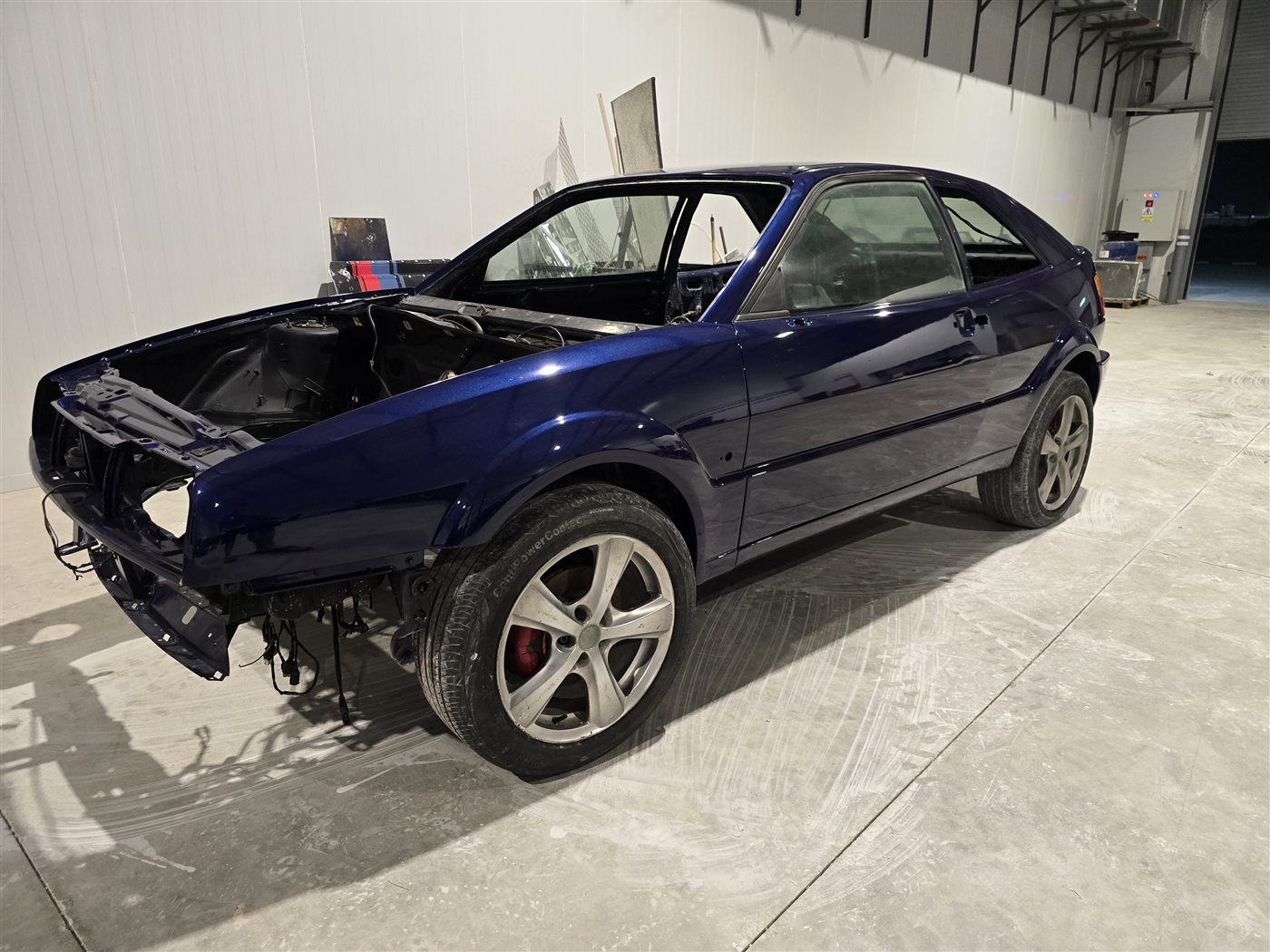
Paint is the first thing anyone notices about a vehicle or a vessel, but it's also the thing protecting it. It keeps moisture and salt away from bare metal and fibreglass, it carries the colour, and the clear coat on top is the layer that takes the sun, the sand and the washing for years. When paintwork fails, it isn't only a cosmetic problem. Corrosion starts underneath, resale value drops, and the whole job has to be stripped back and done again, which always costs more than doing it properly the first time.
Why the UAE Is So Hard on Paint
Most paint systems are designed and tested for temperate conditions. Here, they face intense UV for most of the year, surface temperatures far above the air temperature, high humidity along the coast, blowing sand that acts like fine sandpaper, and for anything that goes on the water, salt. Cheap paint materials tend to cope badly with this combination. The clear coat loses its UV protection and starts to cloud, then crack, then peel away in sheets, and the colour underneath fades. A finish that would be fine for years somewhere cooler can start failing here within a season or two.
Preparation Is Most of the Job
The part of a paint job you can actually see, the spraying, is a small share of the work. What decides how long it lasts is everything done before the first coat goes on. That means stripping or sanding back to a sound surface, repairing dents and rust properly rather than hiding them under filler, removing old failing paint rather than painting over it, and cleaning and degreasing the surface so the new coating can bond. Paint applied over contamination, rust or poorly sanded surfaces may look fine at first, but it has nothing solid to hold on to. It lifts, blisters or peels, and rust that was painted over keeps spreading underneath.
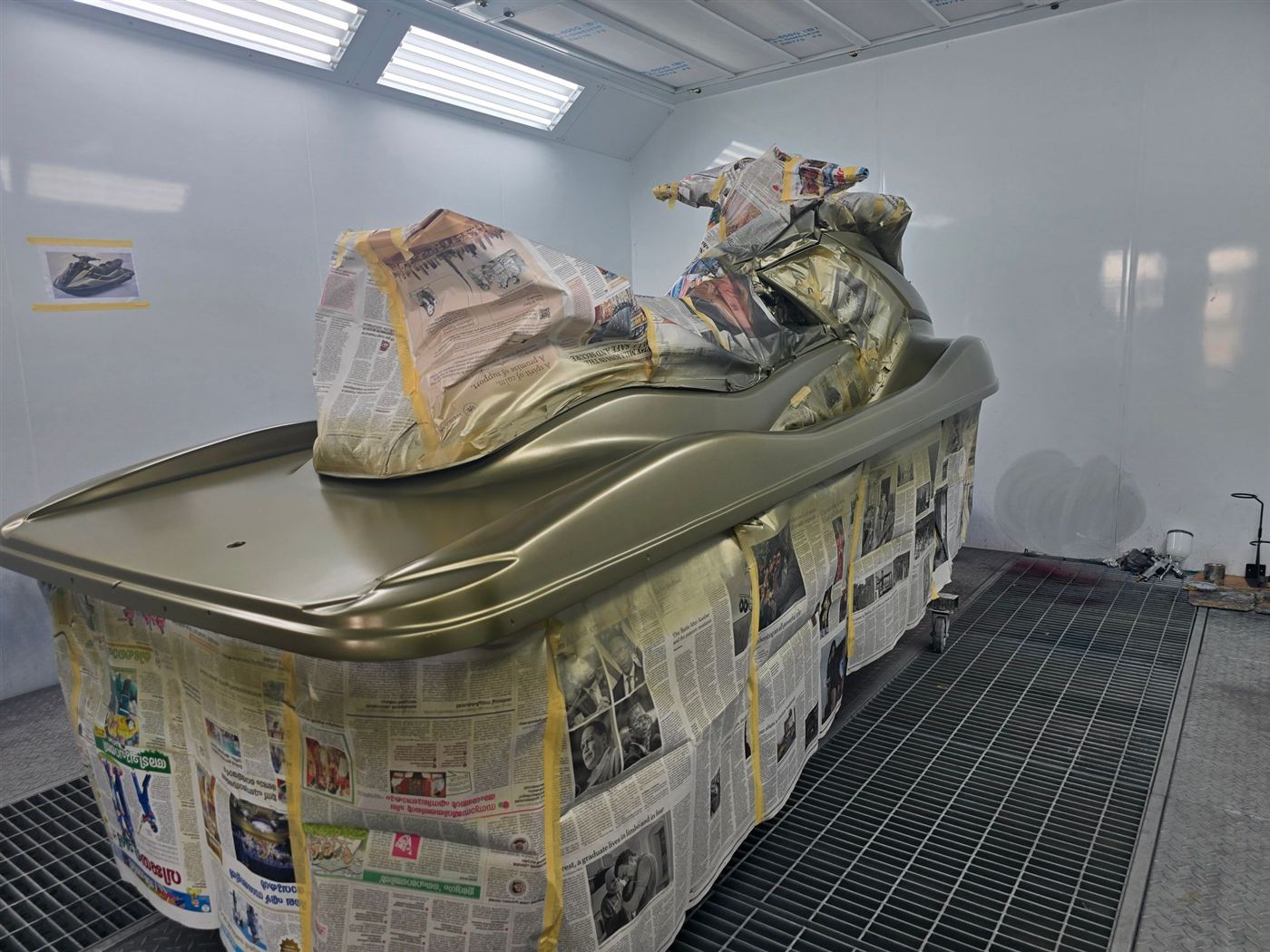
Masking and disassembly are part of the same discipline. Trim, lights, handles and fittings should come off or be carefully masked so edges are clean and nothing is painted over that shouldn't be. Taking the time here is what gives a finish with no ragged edges and no overspray on glass or rubber.
Premium Materials Are Not Just a Label
A paint system is made of layers that have to work together: primer or sealer, the colour (basecoat), and the clear coat that protects it. Each layer has a job, and the quality of each one matters.
- Primer and sealer give the surface its adhesion and corrosion protection. A poor primer is where peeling and under-paint rust begin.
- Basecoat carries the colour. Better pigments cover more evenly, match more accurately and hold their colour for longer in strong sun.
- Clear coat is the layer that really faces the climate. A quality two-pack clear with proper UV protection resists fading, cloudiness and cracking far better than a cheaper one, and it's what gives a deep, lasting gloss.
- Hardeners and thinners need to be chosen for the temperature the paint is being sprayed and cured in. The wrong grade for UAE heat can cause the paint to dry too fast or too slow, which leaves it with defects that show up later.
Premium materials cost more, and a quote that's much cheaper than the rest often reflects it. But the paint itself is a small part of the total cost of a respray; the labour is the bulk of it. Spending that labour on a budget material that fails in two seasons is poor value, because the entire job has to be repeated.
The Booth and the Process Matter
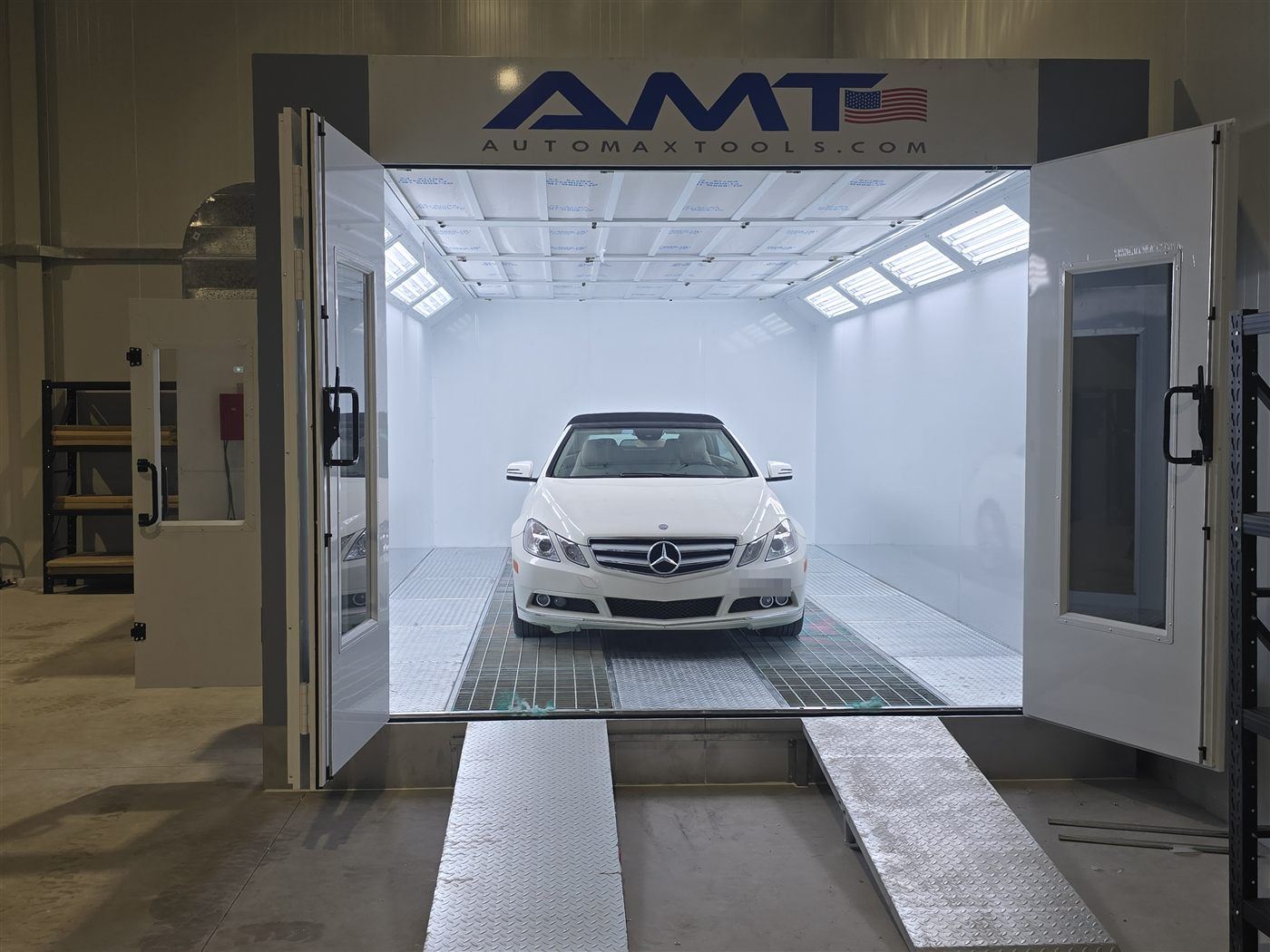
Even the best materials can be ruined by the environment they're applied in. Dust, insects and loose particles in the air end up in the wet paint as small bumps that can't be fully polished out. Proper spraying and curing happens in an enclosed, filtered booth with controlled airflow and temperature, so the paint goes on clean and then cures evenly and hard. That's why a respray done in an open workshop or outdoors rarely matches one done in a proper booth, no matter how skilled the sprayer is.
Getting the Colour Right
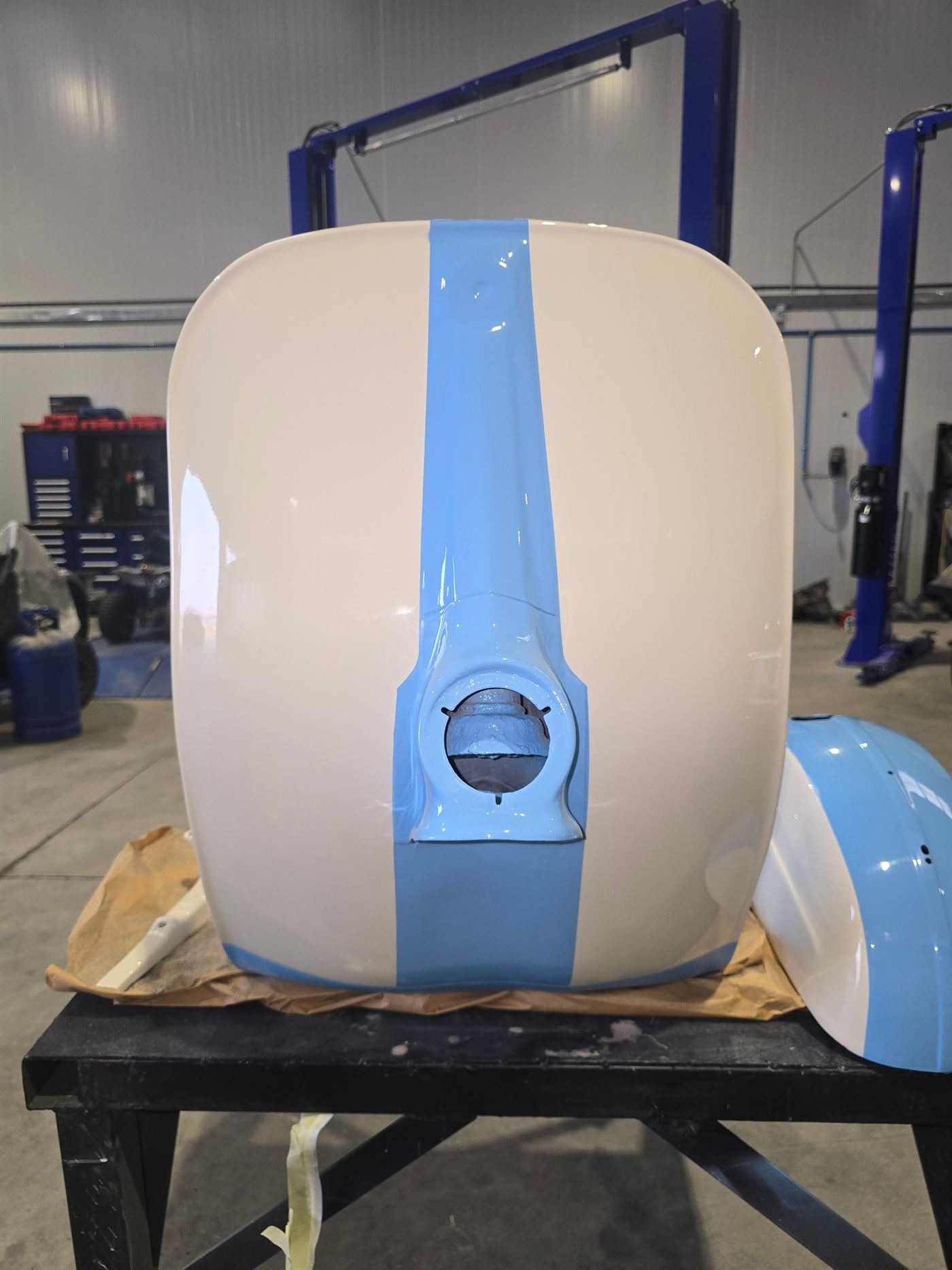
Matching colour isn't just reading a code off a sticker. Paint fades over the years, so an older panel rarely looks like fresh paint of the same code. A good painter mixes from the factory code, tests the colour on a trial panel, and blends the new paint into the neighbouring panels so there's no visible line where the repair stops. Metallic and pearl colours are the hardest, because the way the paint is applied changes how the flakes sit and reflect light.
Painting Boats and Jet Skis
Marine paintwork has its own rules. A boat or jet ski spends its life in strong sun and salt water, so the coating has to resist both, and it also has to protect the structure underneath. On fibreglass, the gelcoat or paint is the barrier that keeps water out of the laminate, and if water gets under a poor finish it can cause blistering and damage that's expensive to repair. Below the waterline, hulls need the right primer or barrier coat and an antifouling suited to warm, salty water to keep growth off. Topsides need a durable, UV-resistant two-pack finish. Repairs to damaged gelcoat also have to be properly faired and prepared so they stay invisible once painted. Each of these steps is where shortcuts show up months later.
Looking After Fresh Paint
New paint needs time to cure fully. For the first few weeks, avoid harsh washing, automatic car washes and abrasive cleaning, and hold off on waxes and sealants until your painter tells you the paint is ready. Typically that's around a month, but follow the advice for the specific system used. After that, regular washing, rinsing sand off before wiping, and parking in shade will all extend the life of the finish. For long-term protection, a ceramic coating or paint protection film adds another layer against UV, chips and everyday wear.
Questions to Ask Before You Book a Respray
- Will the old paint be sanded back or removed, or just scuffed and painted over?
- How will rust, dents or damaged gelcoat be repaired, and what materials will be used?
- What primer, basecoat and clear coat system is being used, and is the clear UV-stabilised?
- Will the work be sprayed and cured in an enclosed, filtered paint booth?
- How will the colour be matched, and will it be blended into neighbouring panels?
- Will trim, lights and fittings be removed or masked properly?
- How long should the paint cure before waxing, coating or heavy washing?
- Is the quote clear about what's included, so you can compare like with like?
Do It Once, Do It Properly
Good paintwork is an investment that protects the vehicle or vessel underneath it and holds its value, while a cheap respray is usually a temporary fix that has to be paid for twice. At Western Auto and Marine we spray in our own enclosed booth, prepare each job properly and use quality materials, so the finish is built to last in UAE conditions. You can see more of what we do on our car painting page, and we also paint boats, jet skis, motorbikes and classic scooters.
If you're thinking about a respray, a panel repair or a full repaint, message us on WhatsApp with photos. We'll tell you honestly what the job needs and give you a clear quote before any work starts.