

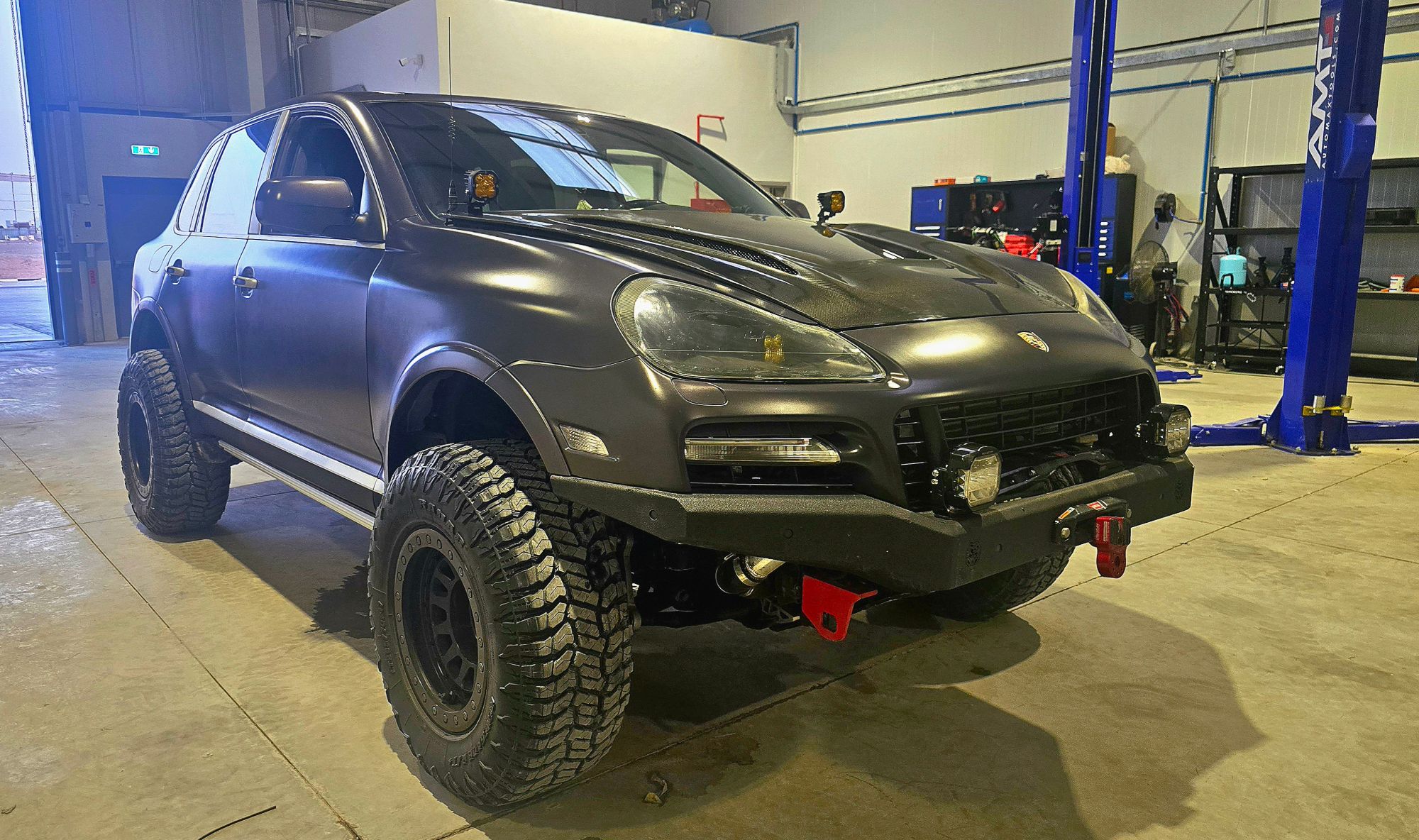
Ras Al Khaimah's deserts and the Hajar Mountains are two of the best reasons to own a capable 4x4 in the UAE — but they're also unforgiving places for a vehicle with a hidden fault. On a city street, a slipping fan belt or a slow puncture is a minor annoyance you deal with at the next garage. The same fault a few hours from Al Hamra, off-grid with no phone signal and nobody due to pass by, can turn into a genuinely serious situation — especially in summer heat, where waiting beside a broken-down vehicle is dangerous in its own right. A proper pre-trip check takes less than an hour and costs far less than a recovery callout, let alone the risk of being stuck somewhere remote with no way to call for help. This guide covers what actually needs checking before you head out, and why each item matters more offroad than it does on the school run.
Why Remote Terrain Changes the Risk Equation
Driving in RAK's backcountry means longer stretches without mobile signal, no nearby workshops or tow trucks, and terrain that's actively harder on a vehicle than sealed roads — sand saps momentum and forces low-range gearing, rock trails jolt the suspension and undercarriage, and steep gradients load the engine and transmission far beyond normal driving. A fault that would show up gradually on the highway can escalate quickly under this kind of load. And unlike a breakdown on the E11, there's often no passing traffic, no recovery service coverage, and — depending on where you are — no shade and no water. The margin for error is simply smaller, which is exactly why the pre-trip check matters more than most drivers assume.
Tyres: The Single Most Common Point of Failure
More offroad trips are cut short by tyre problems than by anything else. Before you go, check tread depth and condition properly — not just a glance, but looking for cuts, bulges, or uneven wear that could fail under load. Confirm your spare is actually inflated and in usable condition, since a flat spare found 50km from the tarmac is worse than not carrying one at all. If you're airing down for sand, know your correct pressures for the terrain you're driving and carry a reliable gauge and a way to air back up before returning to the highway — driving on public roads at sand pressures is dangerous and wears tyres unevenly fast. A basic puncture repair kit and a compressor are non-negotiable for any serious desert or mountain trip.

Cooling System Under Real Load
Low-range gearing, deep sand, and steep mountain climbs all ask far more of an engine than steady highway driving, and that means significantly more heat generated with less airflow to shed it — especially crawling through soft sand at walking pace. Coolant level and condition should be checked before every serious offroad trip, along with hoses, the radiator, and the fan clutch or electric fan operation. A cooling system that's been getting away with a slow leak on daily commutes can tip into overheating fast once it's working this hard, and an overheated engine in the middle of a dune field is a very different problem than one in city traffic five minutes from help.
Recovery Points and Recovery Gear
Carrying recovery gear only helps if it's the right gear, properly rated, and actually fitted to real recovery points — not just hooked onto whatever looks sturdy. Factory tow hooks are often rated for on-road towing only and can fail dangerously under a snatch recovery. Before heading out, confirm your vehicle has proper rated recovery points front and rear, and that you're carrying a rated tow strap or snatch strap, a shackle, and traction boards or sand ladders appropriate for the terrain. A shovel is worth its weight many times over when a wheel is buried. None of this replaces good judgment about what terrain to attempt, but it's the difference between a self-recovery and a very long wait.

Fluids, Filters, and Underbody Condition
Engine oil, differential and transfer case fluid, and — critically — the air filter all deserve a look before a trip into sand or dust. Offroad conditions push far more dust and fine sand into the air intake than normal driving, and a clogged or damaged air filter can starve the engine and cause real damage over a long trip. It's also worth a quick look underneath the vehicle for anything hanging loose, leaking, or damaged from a previous trip over rocks — a small underbody knock that seemed harmless at the time can develop into a real leak once it's stressed again on the next outing.
Battery and Electrical Health
There's no roadside jump-start service in the middle of the desert. A battery that's on its way out but still limping along in daily use is a real liability on a trip where auxiliary lights, a fridge, a winch, or recovery gear might all draw on it at once — sometimes with the engine off. A load test takes a few minutes and tells you exactly where your battery stands before you're relying on it somewhere remote, and it's worth checking terminals and connections for corrosion at the same time, since a loose or corroded connection can fail intermittently in exactly the kind of vibration-heavy conditions offroad driving produces.

Trip Planning Matters as Much as the Vehicle
A mechanically sound vehicle is only half the preparation. Download offline maps for the area before you lose signal, let someone know your planned route and expected return time, and carry enough water for longer than you expect to be out — RAK's heat makes dehydration a real risk even for a short delay. A basic first aid kit and a torch cost nothing to carry and matter enormously on the one trip where something does go wrong. None of this is about assuming the worst — it's the same logic as checking your vehicle: cheap preparation against a genuinely higher-stakes environment.
Pre-Trip Offroad Checklist
- Inspect all tyres (including the spare) for tread, damage, and correct pressure
- Carry a compressor and puncture repair kit, and know your sand-driving pressures
- Check coolant level and condition, hoses, and fan operation
- Confirm recovery points are properly rated and fitted — not just tow hooks
- Pack a rated recovery strap, shackle, traction boards, and a shovel
- Check engine oil, diff and transfer case fluid, and inspect the air filter
- Look underneath for leaks or damage from previous trips
- Load test the battery and check terminals for corrosion
- Download offline maps and share your route and ETA with someone
- Carry extra water, a first aid kit, and a torch
When to Bring Your Vehicle In
Most of what's covered here can be checked properly in under an hour by someone who knows what to look for — and it's far cheaper than a recovery callout, let alone the risk of being stuck somewhere remote in RAK's heat with no signal. If it's been a while since your 4x4 had a proper offroad-specific check, if you're planning a longer trip into the mountains or deep desert, or if you simply want peace of mind before you go, it's worth having us look it over. We check tyres, cooling, recovery points, fluids, and battery health, and give you a clear, honest picture of what's ready to go and what needs attention first.
Book a pre-trip check with our technicians on WhatsApp before your next desert or mountain outing — same-day service in most cases, so you're not left prepping at the last minute.