

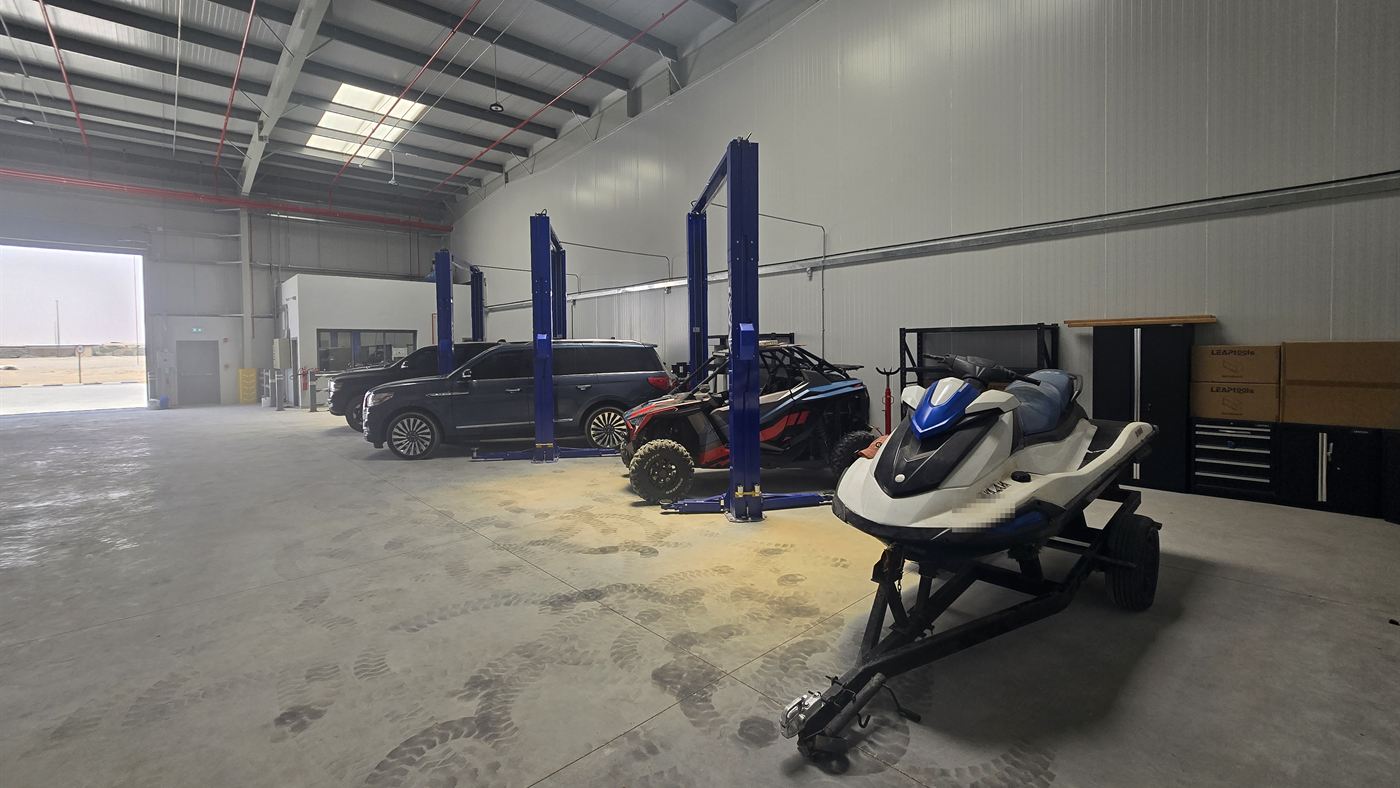
With the peak heat behind us, RAK's marina and coastline are filling back up — boats coming off their summer layup, jet skis coming out of storage, and everyone eager to get back on the water. It's easy to assume that because a vessel was running fine when it was put away, it'll be just as ready now. In reality, months of heat, humidity, and sitting idle are hard on engines, fuel, rubber, and electrics in ways that aren't always visible from the dock. Whether you're running a center console out of Al Hamra Marina or launching a jet ski for a weekend on the water, a proper start-of-season check is the difference between a smooth first outing and a breakdown, a tow, or worse, out on the water where help isn't a phone call away.
Why the Water Changes the Risk Equation
A mechanical fault in a car means you pull over. On a boat or jet ski, the same fault can mean you're stranded, drifting, or taking on water — sometimes out of sight of the coast, sometimes with the sea state working against you. There's no hard shoulder on the water, and recovery isn't as simple as a tow truck showing up in twenty minutes. Add in salt water's effect on metal, rubber, and electrics, and the reality is that marine equipment needs a level of pre-season attention that a lot of owners underestimate — especially after months of sitting unused through the hottest part of the year.
Engine and Fuel System
Fuel that's been sitting in the tank for months can degrade, especially in RAK's heat, leading to varnish build-up in carburettors and injectors, clogged fuel filters, and rough or unreliable running exactly when you don't want it. Before your first trip out, fuel lines, filters, and fuel/water separators should be checked and, if needed, replaced — a failed fuel line at sea is not something you want to discover the hard way. It's also worth confirming the engine actually runs cleanly through its full rev range on the water, not just idling at the dock, since some faults only show up under load.
Raw Water Cooling and Impellers
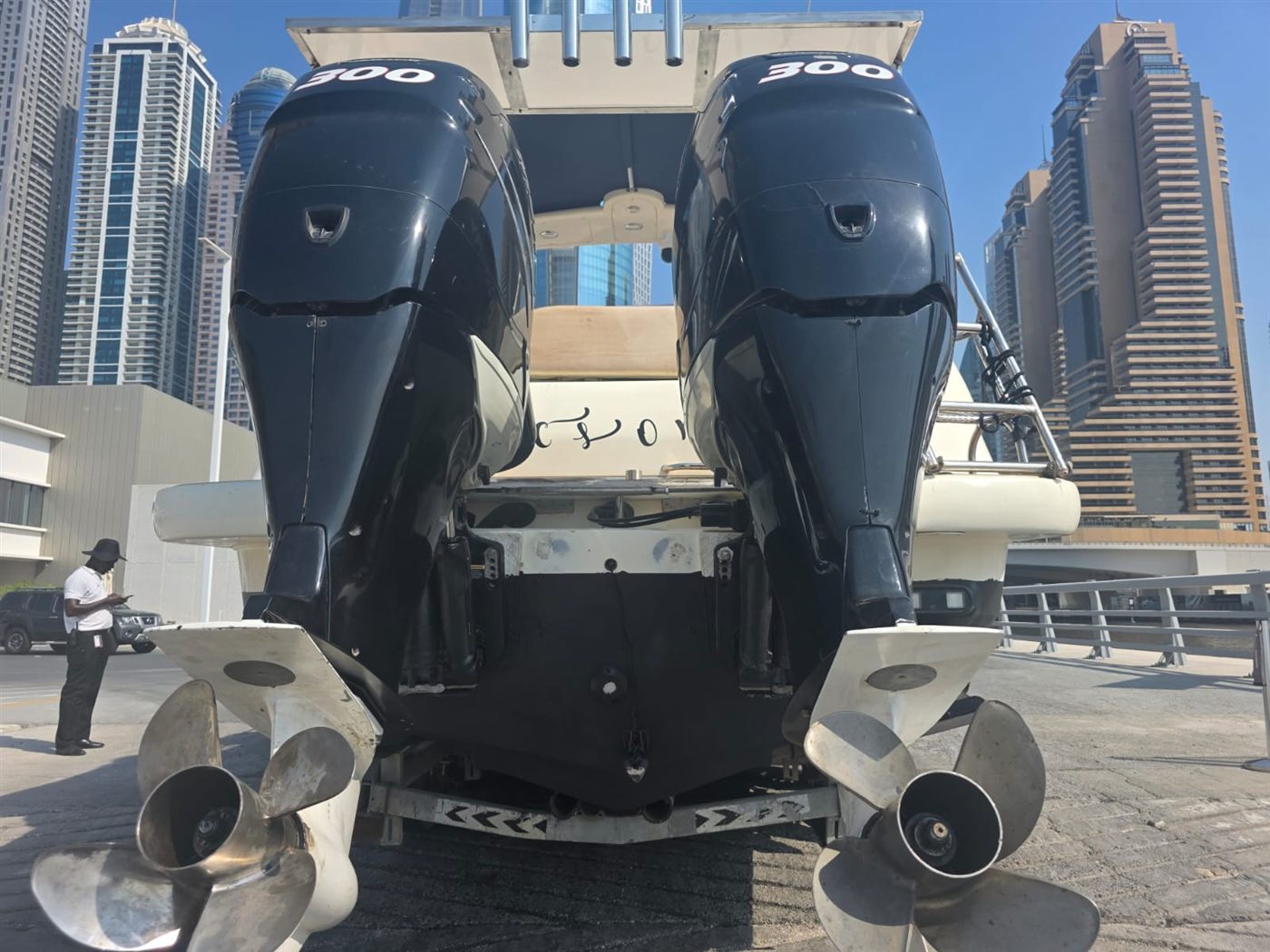
Most marine engines rely on raw water cooling, and the rubber impeller that drives it is a wear item that can perish or crack simply from sitting idle over a hot summer, even without being used. A degraded impeller means reduced cooling flow, and an overheating engine offshore is a serious problem, not a minor inconvenience. This is one of the most common causes of avoidable engine damage we see at the start of the season, and it's also one of the easiest and cheapest things to check and replace before it becomes expensive.
Hull, Drive, and Jet Pump Condition
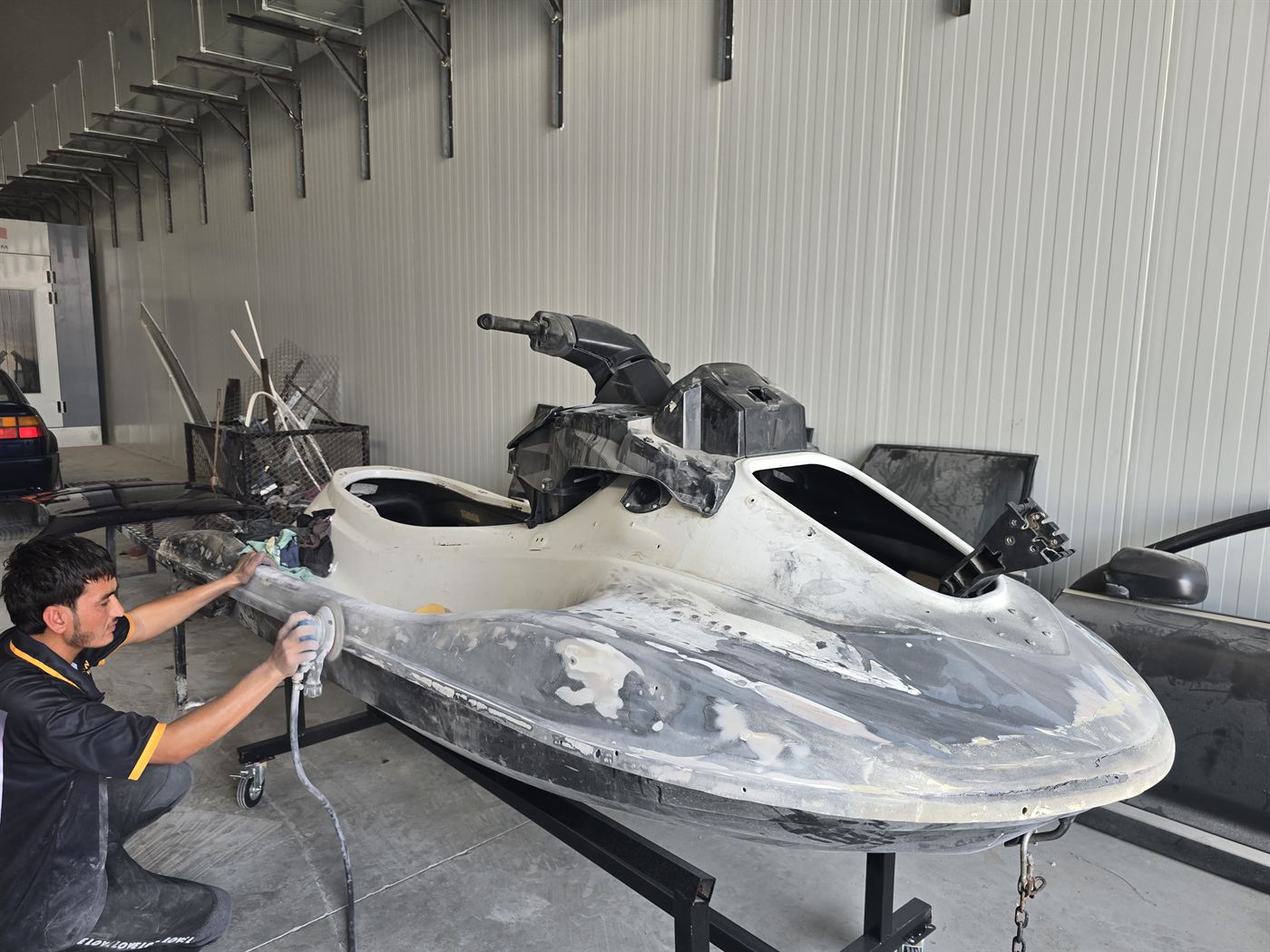
For boats, that means checking the hull below the waterline, through-hull fittings, seacocks, and the sterndrive or outboard for corrosion, play, or damage that can develop even while sitting on the hard. For jet skis, it means inspecting the jet pump, impeller, and intake grate for debris, wear, or damage that affects both performance and handling — a partially blocked intake can cause overheating or a sudden loss of steering control at speed, which is a genuine safety issue, not just a performance one. Anodes are also worth a look on any vessel that's been sitting in or near salt water, since a depleted anode leaves other metal components exposed to corrosion.
Battery and Electrical Systems
A battery that was fully charged when the boat went into storage can be significantly depleted months later, and marine electrics — bilge pumps, navigation lights, VHF radio, engine electronics — all depend on it working properly. A weak battery isn't just an inconvenience if it means your bilge pump doesn't run when you actually need it. Terminals and connections should be checked for corrosion too, since salt air is particularly hard on electrical contacts even when the vessel hasn't been near the water in months.
Safety Equipment Isn't Optional
Life jackets, fire extinguishers, flares, and the engine kill-switch lanyard all have a working life and, in the case of flares, an expiry date. It's easy to assume gear that's been sitting in a locker is still good to go, but UV exposure, heat, and time degrade safety equipment even when it's never been used. Before the season gets busy, check that every life jacket fits and is in good condition, that the fire extinguisher is charged and in date, and that the kill switch actually cuts the engine when tested. None of this is about ticking a box — it's the equipment that matters most in exactly the situation you hope never happens.
Steering, Controls, and Trailer Check
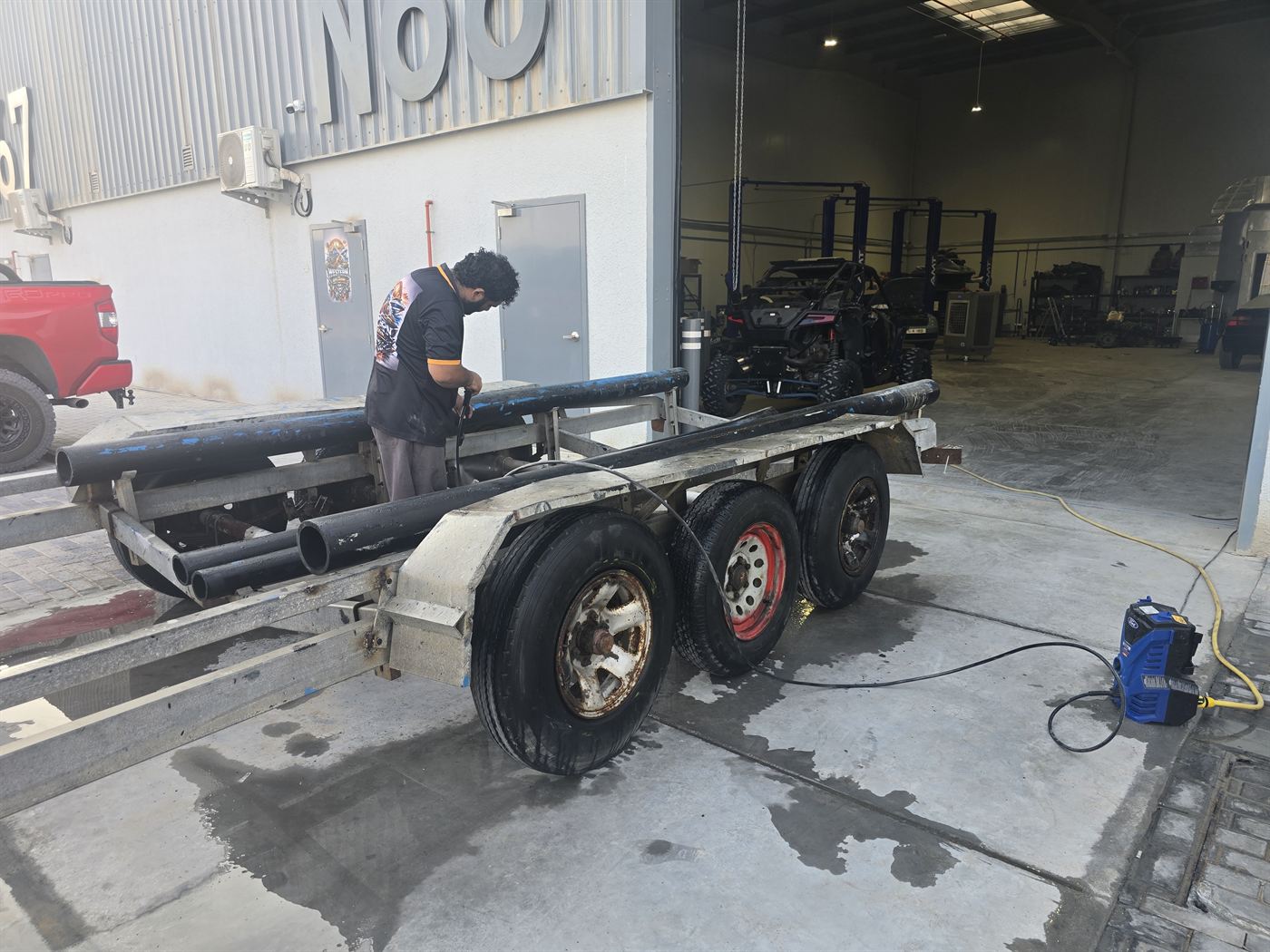
Steering cables, throttle and shift linkages, and control cables can stiffen or seize after months of inactivity, and a control that binds at the wrong moment near other boats or a jetty is a real hazard, not just an annoyance. If your boat or jet ski is trailer-launched, the trailer itself deserves a check too — tyres, bearings, lights, and winch strap all take a beating from heat and salt air, and a trailer failure on the way to the marina ruins the day before you've even touched water.
Start-of-Season Marine Checklist
- Check fuel lines, filters, and fuel/water separators for degraded fuel or blockages
- Inspect and, if needed, replace the raw water cooling impeller
- Check hull, through-hull fittings, seacocks, and anodes for corrosion or damage
- Inspect jet pump, impeller, and intake grate for debris or wear (jet skis)
- Load test the battery and check all terminals and connections
- Confirm bilge pump, navigation lights, and VHF radio are working
- Check life jackets, fire extinguisher, and flares for condition and expiry
- Test the engine kill-switch lanyard actually cuts the engine
- Check steering, throttle, and shift linkages move freely
- Inspect trailer tyres, bearings, lights, and winch strap before towing
When to Bring Your Vessel In
Most of what's covered here can be checked properly by someone who knows what to look for, and it's far cheaper than a breakdown on the water, let alone the risk of being stranded or taking on water somewhere along the RAK coastline. If your boat or jet ski has been sitting since last season, if something felt off the last time you ran it, or if you just want peace of mind before your first weekend back out, it's worth having us look it over. We check engines, cooling systems, hulls and drives, electrics, and safety equipment, and give you a clear, honest picture of what's ready to go and what needs attention first.
Book a pre-season check with our technicians on WhatsApp before your next day on the water — same-day service in most cases, so a quick check doesn't hold up your plans.