

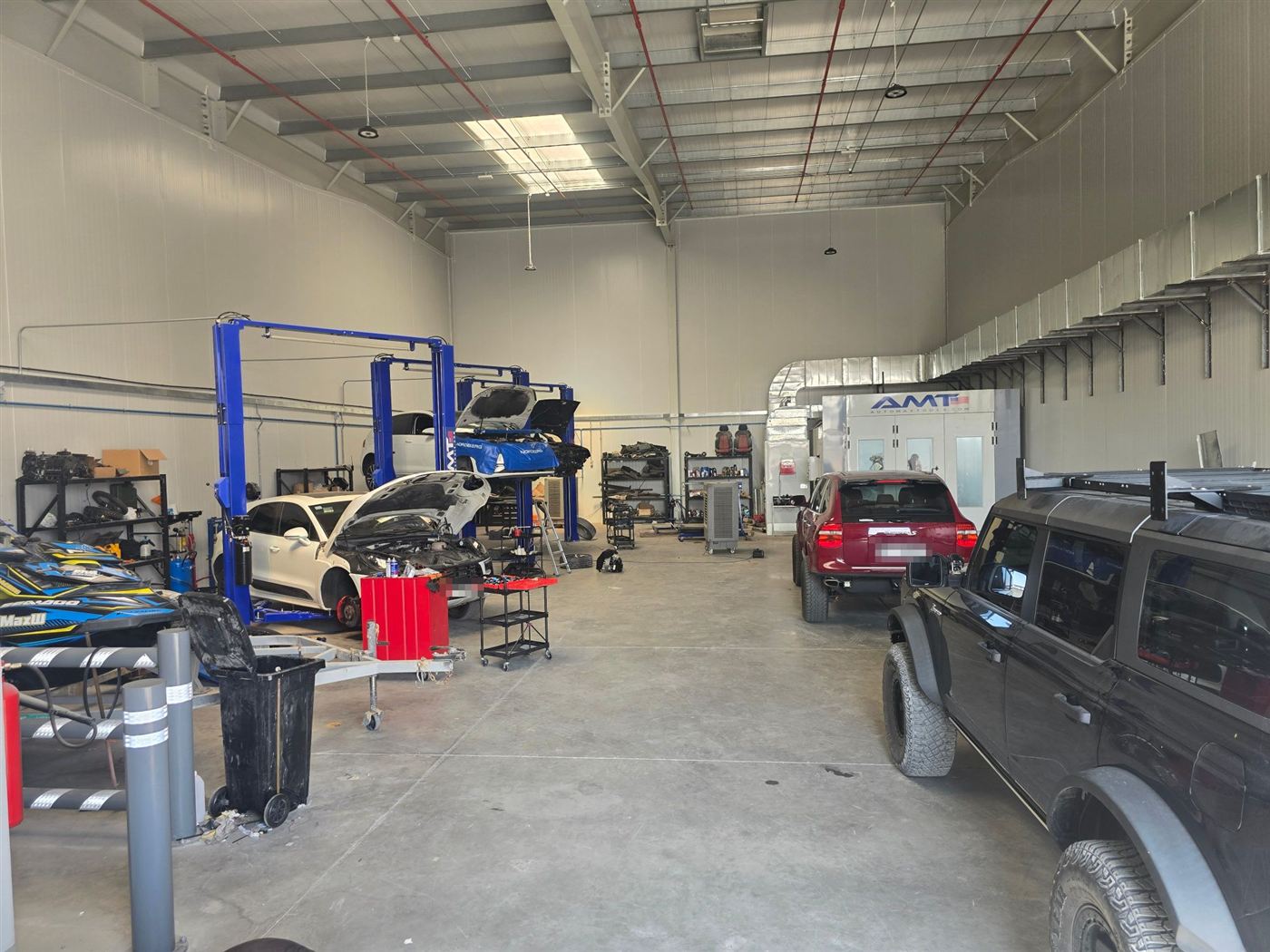
Hotels, tour operators, marinas, contractors, delivery businesses and schools across Ras Al Khaimah all depend on vehicles and equipment that have to be ready when the day starts. Most of them still deal with maintenance the same way: wait for something to go wrong, then find a workshop in a hurry. It feels cheaper because nothing is spent until there's a problem. In practice it's usually the most expensive way to run a fleet.
The Real Cost of Waiting for Faults
A repair bill is only part of what a breakdown costs. A vehicle that's off the road means a missed job, a late delivery, a cancelled trip or staff with nothing to drive. A boat or jet ski that won't start on the day of a booking means a refund and a disappointed customer. Urgent repairs are also rushed repairs, often done without time to source the right parts or to look properly at what else is wearing out. And small faults left alone tend to grow: a worn belt that could have been replaced cheaply takes an engine with it, and a weak battery that was never tested leaves a vehicle stranded.
What Planned Maintenance Actually Means
Planned maintenance simply means that every vehicle and vessel has a schedule for servicing and inspections, agreed in advance, and the work happens when it's due rather than when something fails. Fluids, filters, belts, brakes, tyres, batteries and cooling systems are checked and replaced on a timetable that suits how each asset is used. An annual maintenance contract puts that plan on paper for the whole year, so you know what's coming and can budget for it instead of absorbing surprise bills.
Why the UAE Makes Scheduling More Important
Heat, dust, sand and salt are hard on everything that moves. Oil and fluids break down faster, cooling systems work harder, batteries and tyres age quickly, and air filters clog sooner than they would in a milder climate. Vehicles that spend their days in stop-start traffic or on desert tracks, and boats and jet skis that live in warm salt water, wear faster still. Service intervals that look fine on paper often need to be shorter here, and a good schedule takes that into account instead of leaving it to chance.
One Workshop for Cars and Vessels
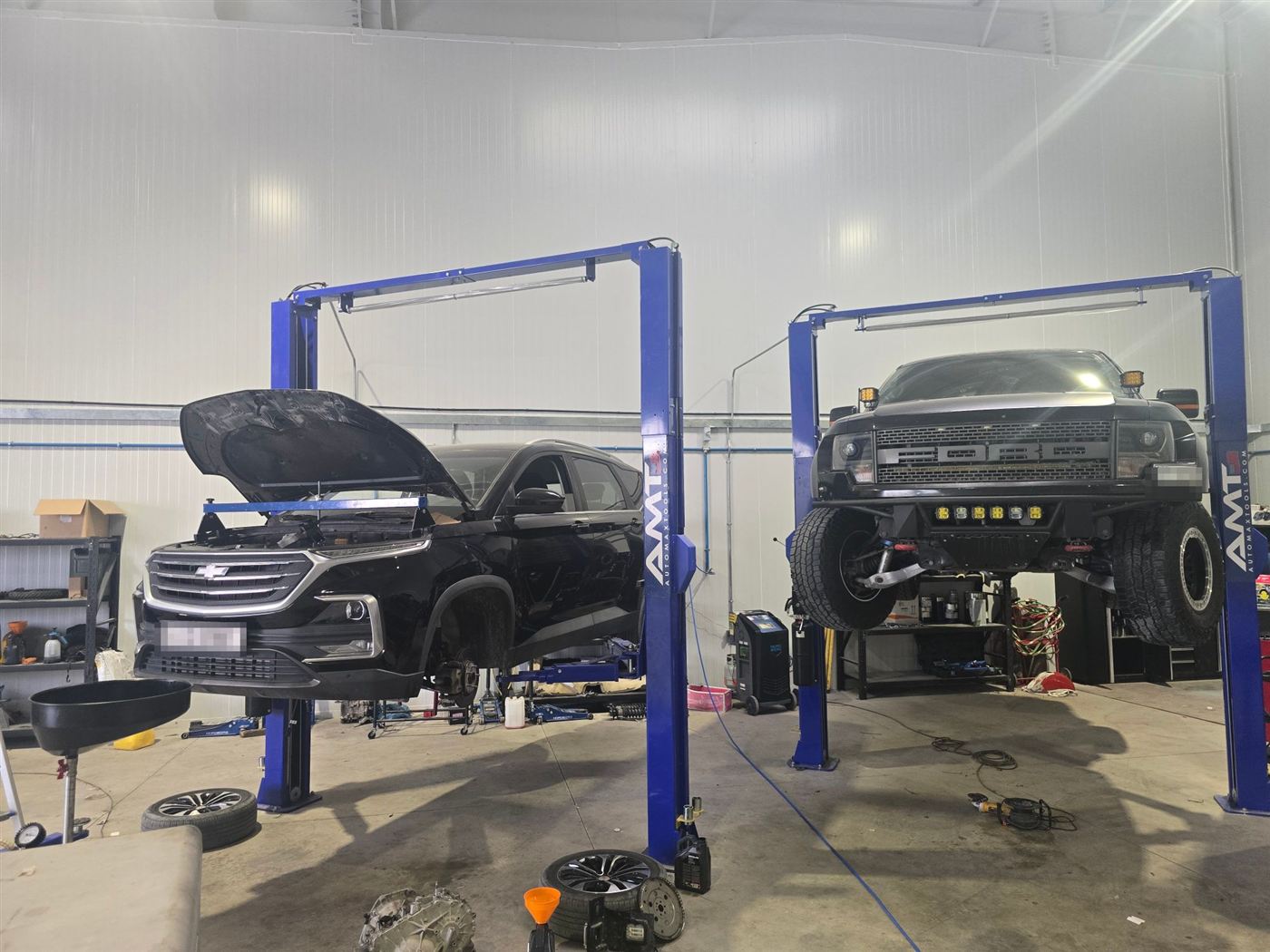
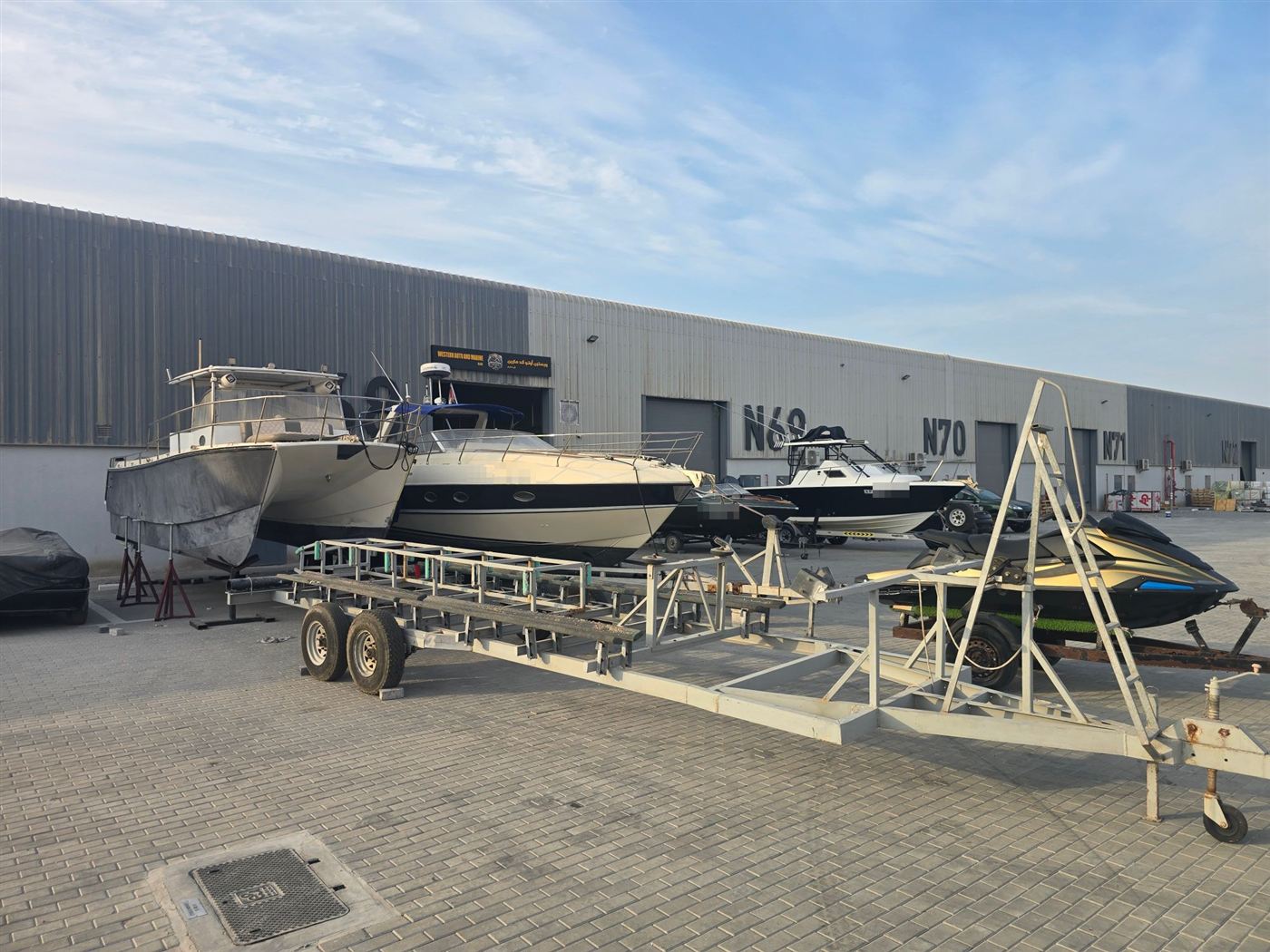
Many businesses here don't run only cars. A tour operator may have 4x4s, quads and boats. A hotel or marina may have pickups, jet skis and tenders. Splitting that between a car garage, a marine mechanic and a bike shop means three relationships, three sets of records and three sets of bookings to chase. Putting everything with one workshop gives you a single schedule, a single quote and a single point of contact. At Western Auto and Marine that's cars, 4x4s and SUVs, motorbikes and quads, offroad equipment, jet skis and boats, all looked after in one place, with one WhatsApp contact for bookings, updates and approvals.
Records Make Fleets Easier to Run
When every asset has a service history in one place, you can see what was done and when, spot the vehicle that keeps coming back with the same fault, and decide whether it's time to repair or replace it. A documented history also helps when you sell or hand over a vehicle or vessel, because a buyer can see it has been looked after. Scattered receipts from several workshops make all of this harder than it needs to be.
What to Look for in a Maintenance Contract
Not every maintenance arrangement is the same, so it's worth being clear on what you're getting. The basics are a defined list of what's covered for each vehicle or vessel, a schedule that matches how it's used, a diagnosis before any extra work is done, parts of a proper quality (genuine or OEM-grade), and a quote you approve before anything outside the plan goes ahead. Be wary of anything vague about what's included, because that's where surprise bills come from.
Questions to Ask Before You Sign a Maintenance Contract
- Which vehicles and vessels are covered, and what exactly is included for each one?
- How is the service schedule set, and does it reflect UAE conditions and how each asset is used?
- Are faults diagnosed first, and is extra work quoted and approved before it starts?
- What quality of parts are used: genuine, OEM-grade or unbranded?
- Who is my day-to-day contact, and how do I book, get updates and approve work?
- Can one provider cover my whole fleet, including boats, jet skis and offroad equipment?
- Will I get a clear service history for each asset?
- Is the price clear and tailored to my fleet, so I can compare it fairly?
Getting Started Is Simple
You don't need a complicated process to find out what planned maintenance would look like for your business. List what you run, with the make, model and quantity of each vehicle or vessel and a note on how it's used, and send it to us. We'll look at the fleet, agree a service schedule that suits how you use it, and come back with one clear proposal. Fleet quotes and annual maintenance contracts are tailored to the size and type of your fleet, so there's no one-size-fits-all package. You can read more about the fleet service on our offers page.
Message us on WhatsApp with your list, and we'll take it from there. We diagnose first and quote before any work starts, so you always know where you stand.