

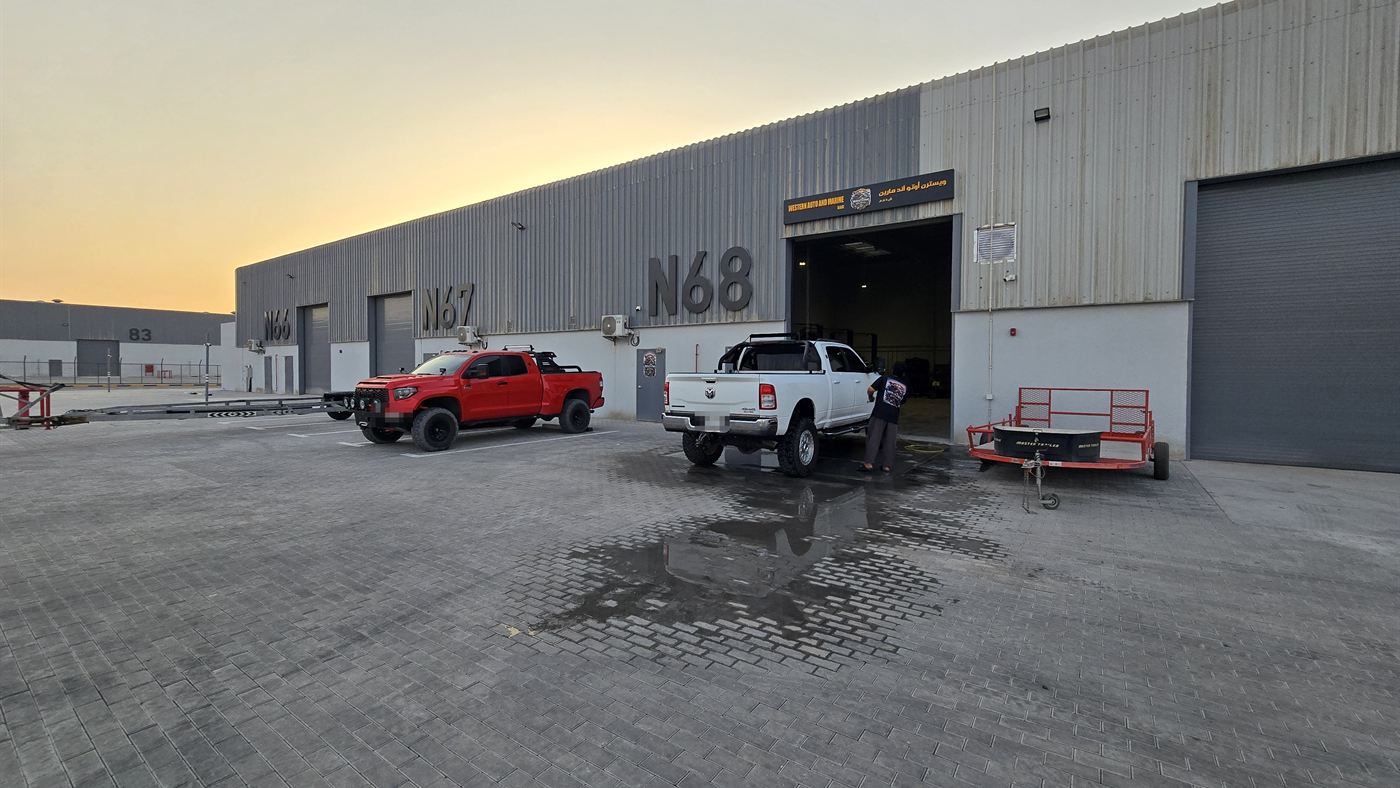
Ras Al Khaimah's July heat isn't just uncomfortable to step out into — it's one of the hardest tests any vehicle in the UAE goes through all year. Ambient temperatures regularly climb past 45°C in the shade, and inside a parked car, dashboard surfaces can hit 80°C or higher within the hour. Every system in a modern vehicle was designed with an operating range in mind, and July in RAK pushes several of them right to the edge — sometimes past it. As a workshop that's spent 25+ years diagnosing what goes wrong when the temperature climbs, we see the same handful of failures every single summer, almost all of which are preventable with a bit of attention before the heat peaks. This guide walks through exactly what July heat does to your vehicle, system by system, and what you can do about it before a small weakness turns into a breakdown on the side of the road.
Why July Hits RAK Vehicles So Hard
Heat stress on a vehicle isn't just about air temperature — it's about compounding factors. RAK's July combines extreme ambient heat with high humidity near the coast, intense direct sunlight, and asphalt surface temperatures that can exceed 60°C. Every rubber seal, hose, belt, and plastic component ages faster under these conditions — heat accelerates the chemical breakdown of rubber and oil at a rate that's easy to underestimate. A component that would comfortably last three more years in a temperate climate might only have one summer left in RAK conditions. This is why vehicles here need a different maintenance rhythm than the same models running in Europe or North America, and why waiting for a warning light before acting on heat-sensitive parts is a risky strategy.
1. Air Conditioning — The First System to Fail
Your AC system works harder in RAK in July than at almost any other time or place, and it shows. Refrigerant levels that were adequate in cooler months can become marginal once the compressor is running near-constantly against 45°C+ ambient heat, leading to weak or warm airflow. Rubber O-rings and hose seals — already stressed by heat — are the most common source of slow refrigerant leaks, and a system that's low on gas runs hotter and works the compressor harder, shortening its life further. Condensers also silently lose efficiency as road grit and dust build up on the fins, especially after a dusty spring, restricting the airflow the system depends on to shed heat. If your AC is blowing noticeably less cold than it did a few months ago, or you hear the compressor cycling more frequently, that's usually the system telling you it's compensating for a leak or restriction — not something to leave until it fails completely on a 48°C afternoon with the kids in the back seat.
2. Tyres: Pressure, Heat, and Blowout Risk
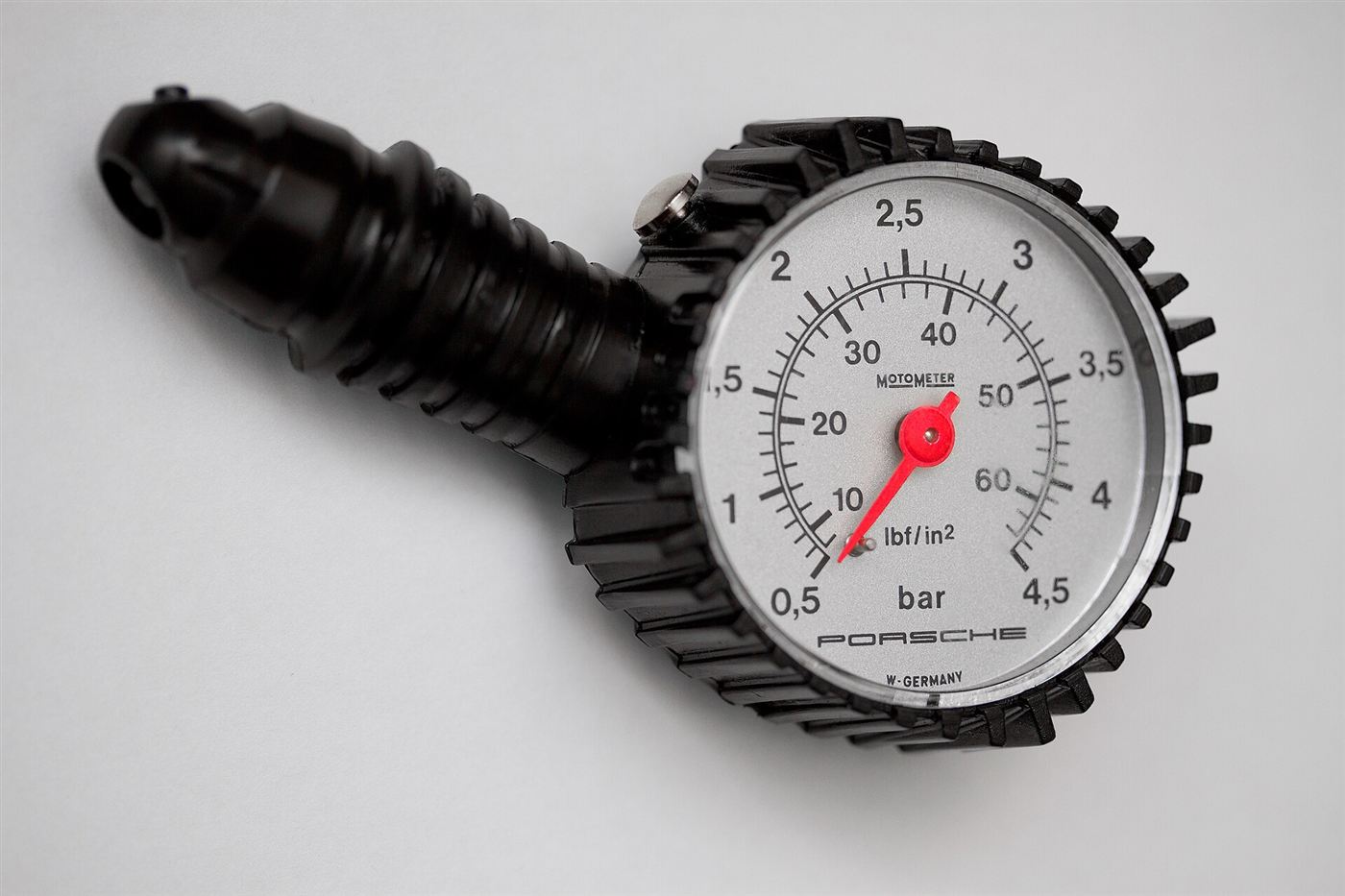
Tyre pressure and road-surface heat is one of the most dangerous combinations of RAK summer driving, and it's also one of the most overlooked. As air temperature rises, so does the pressure inside a tyre — and asphalt surface temperatures well above 60°C add even more heat directly through the tread. A tyre that's even slightly underinflated flexes more with every rotation, generating internal heat through friction on top of the ambient heat it's already absorbing. That combination is a leading cause of summer blowouts, particularly on longer highway stretches like the E11 or E18 where sustained speed keeps tyres hot for extended periods. Overinflating isn't the fix either — it reduces the tyre's contact patch and increases the risk of a sudden failure if it hits a pothole or sharp edge at speed. The right move is checking pressure when tyres are cold, first thing in the morning before driving, and keeping them at the manufacturer's recommended PSI, along with a visual check for sidewall cracking or uneven wear, which heat accelerates significantly.
3. Battery Health in Extreme Heat
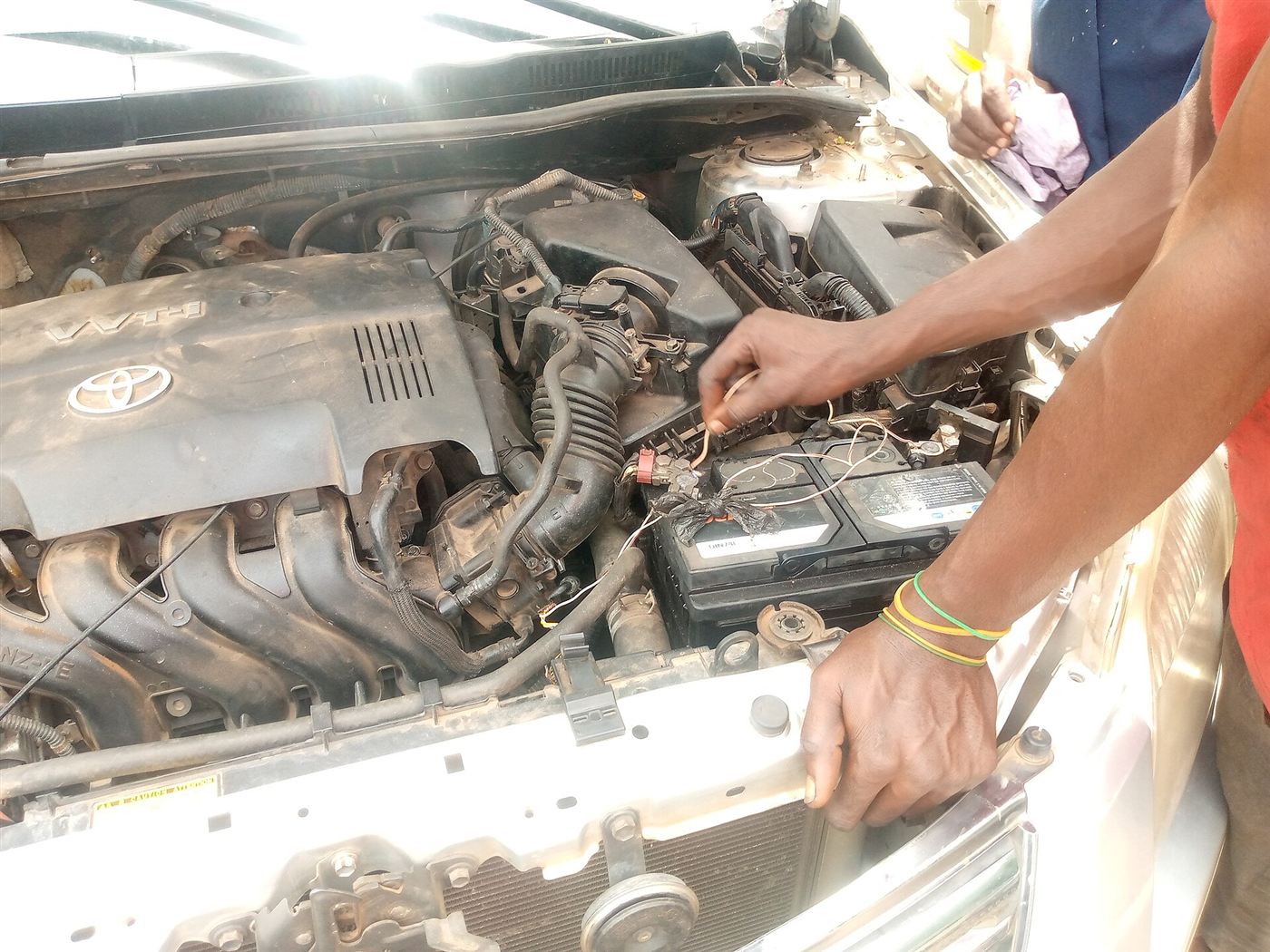
Most drivers assume batteries fail in winter cold, which is true in colder climates — but in RAK, heat is the real battery killer. High temperatures accelerate the internal chemical reactions inside a lead-acid battery, which speeds up the evaporation of the battery's internal fluid and corrodes internal components faster than normal. A battery that would last 4-5 years in a mild climate often only manages 2-3 summers here before it starts struggling, especially in vehicles that sit in direct sun for long stretches during the day. The frustrating part is that a heat-damaged battery often shows no warning signs until it simply fails to start — frequently right when the AC and other electronics are placing the highest demand on it. If your battery is past the two-year mark, a load test takes a few minutes and tells you exactly where it stands before it strands you.
4. Engine Cooling System & Overheating
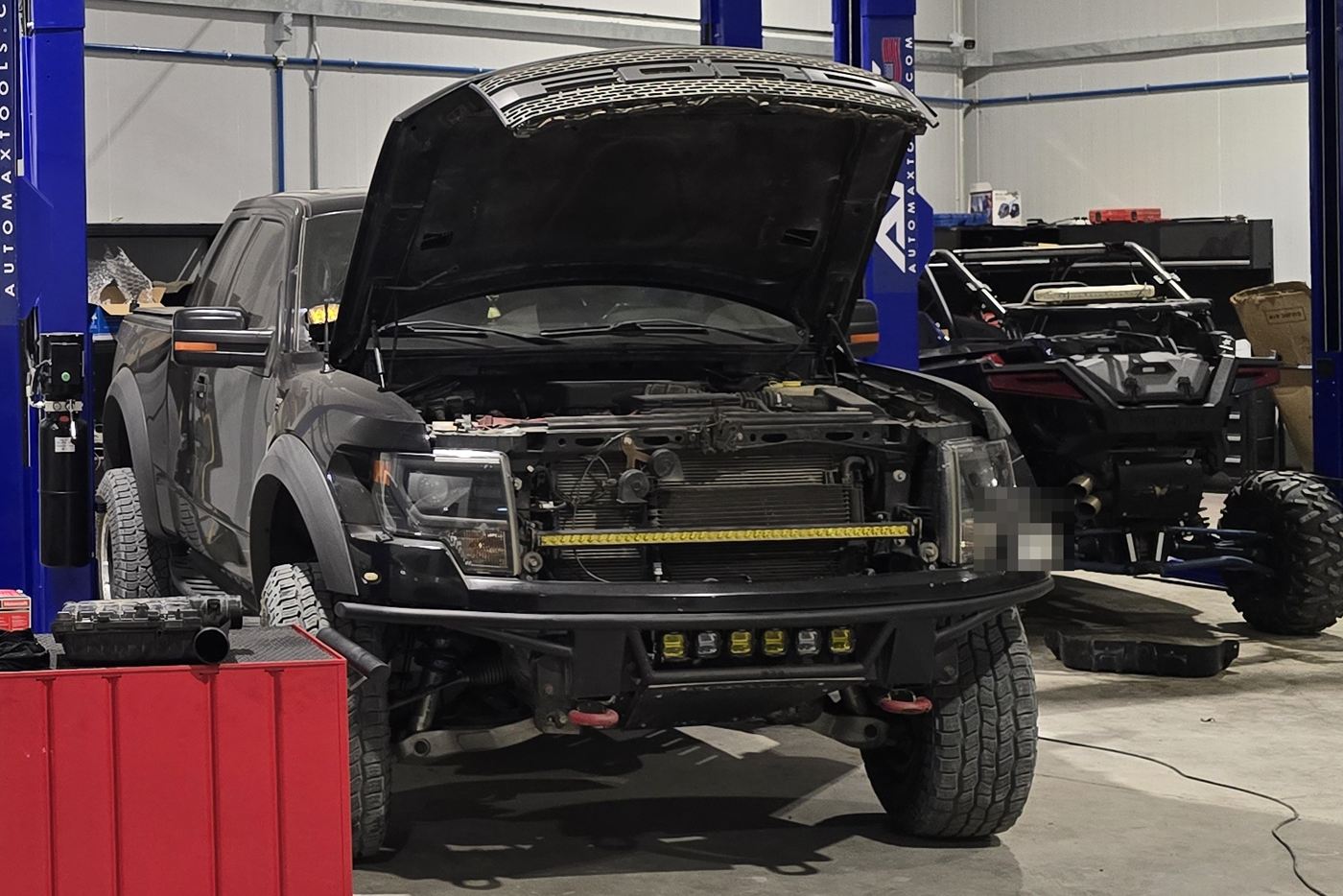
Your engine's cooling system is fighting a losing battle for hours every day throughout July — trying to shed engine heat into ambient air that's already sitting at 45°C or more, using a radiator whose job gets exponentially harder as the outside air temperature climbs. Coolant that's old, diluted, or low doesn't have the heat capacity or corrosion protection it needs, and small leaks that were manageable in cooler months can tip a system into overheating once the margin for error disappears in peak summer heat. Rubber hoses and clamps, radiator caps, and the thermostat are all working at their limits and are the most likely points of failure. Idling in traffic — common on RAK's busier roads during the day — is particularly hard on cooling systems, since airflow through the radiator drops while the engine keeps producing the same heat. Watching your temperature gauge, not just your dashboard warning light, and addressing any coolant leak or top-up need immediately rather than "at the next service" is the difference between a routine flush and a cracked head gasket.
5. Engine Oil Breaks Down Faster in Heat
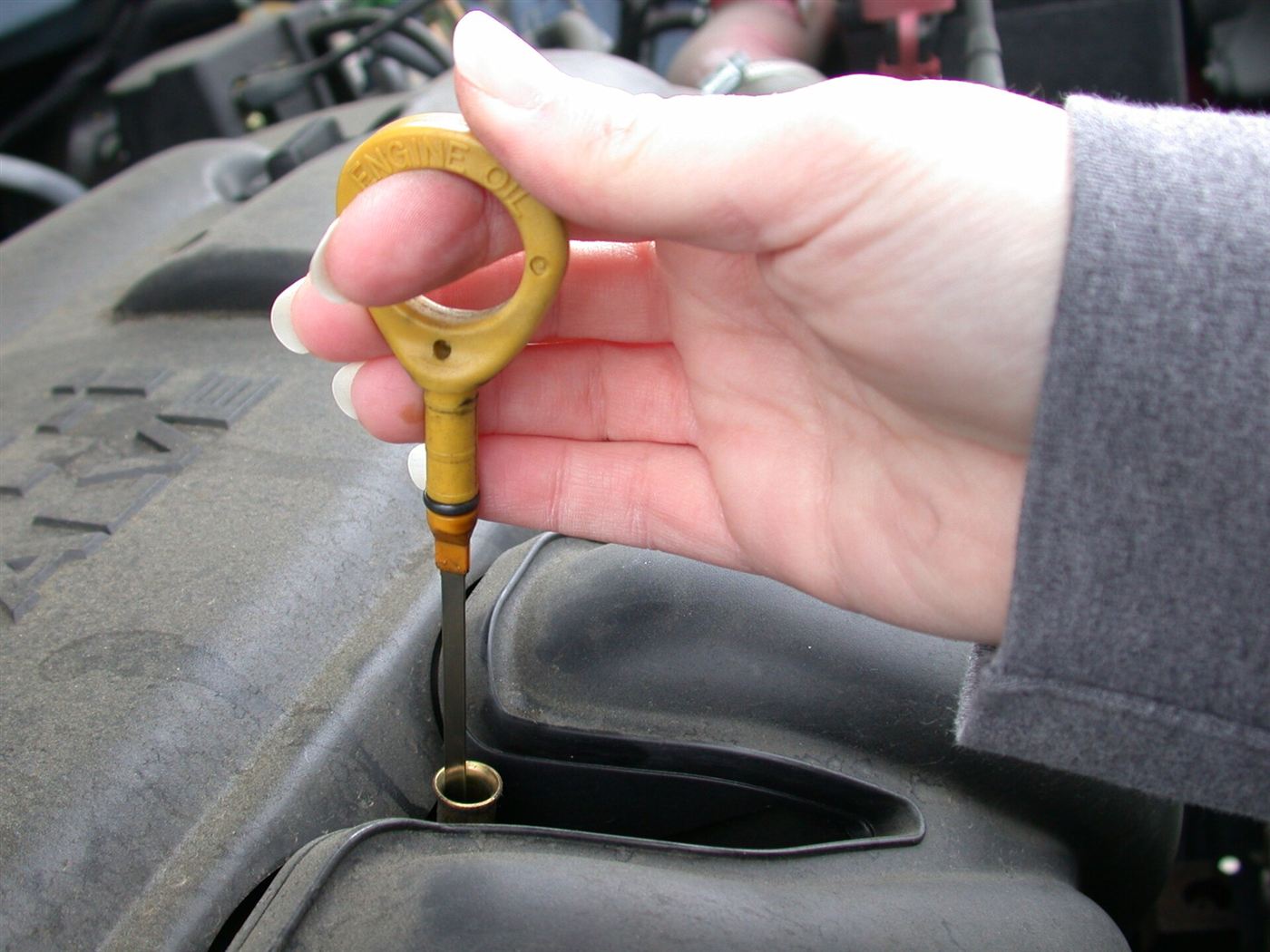
Engine oil has a working temperature range, and sustained RAK summer heat pushes oil temperatures toward the upper end of that range for hours at a time, especially in stop-start city traffic where the engine runs hot without the cooling benefit of highway airflow. Heat accelerates oxidation of the oil, breaking down its viscosity and additive package faster than the same oil would degrade in a cooler climate. Oil that's overdue for a change loses its ability to protect moving parts exactly when the engine needs it most, increasing wear on bearings, pistons, and valve components. This is why we recommend RAK drivers lean toward the shorter end of their manufacturer's service interval during peak summer months, and always use oil rated for high-temperature operation rather than the cheapest option on the shelf — the cost difference is small compared to the cost of engine wear.
6. Interior & Dashboard Damage
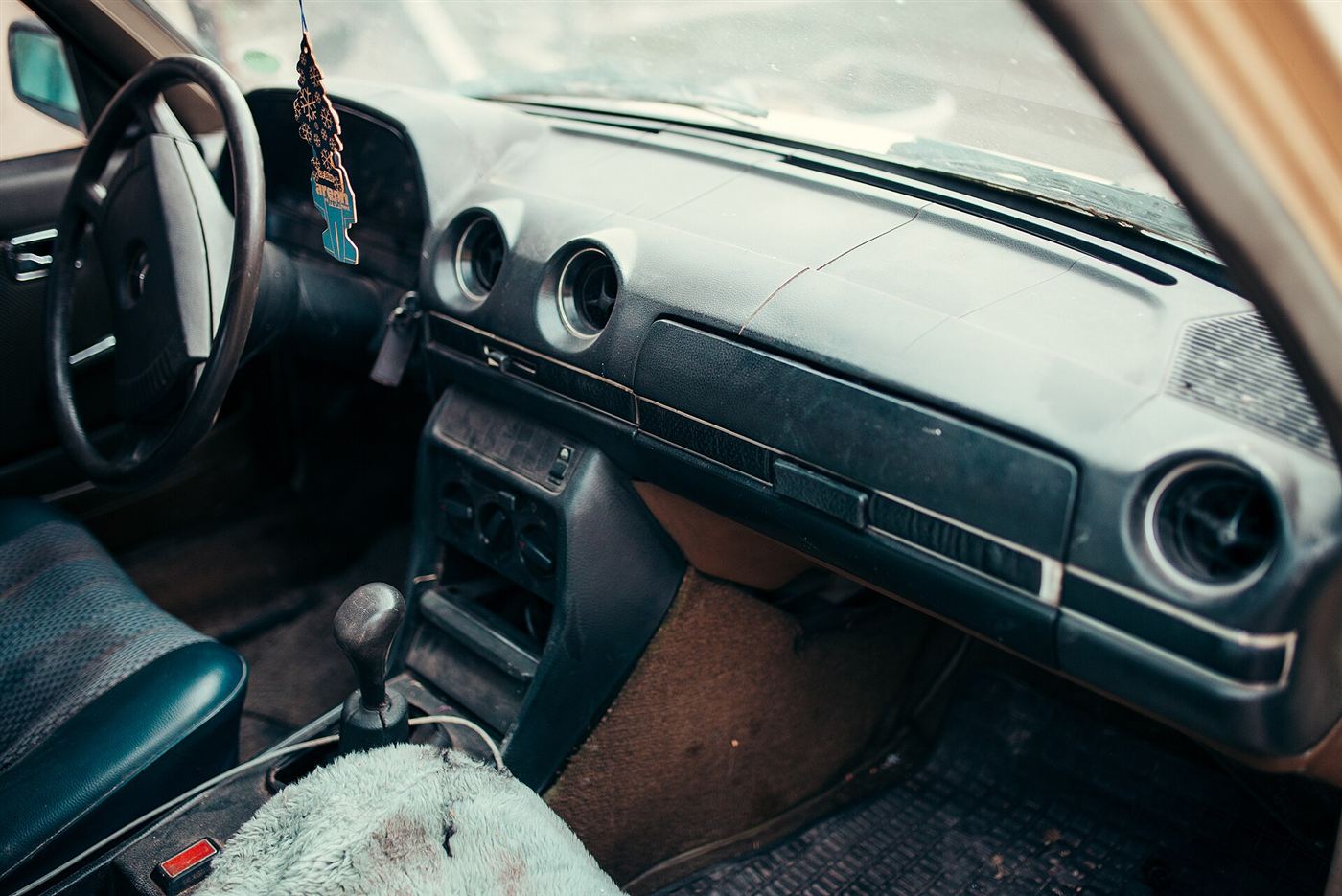
It's not just mechanical systems that suffer — a parked vehicle's interior can reach 70-80°C within an hour under direct July sun, and that heat does real, cumulative damage. Dashboard plastics and trim crack and fade under UV exposure combined with extreme heat, leather seats dry out and crack, and adhesives holding trim panels and headliners together soften and fail over repeated heat cycles. Electronics mounted behind the dashboard — infotainment units, sensors, wiring connectors — also run hotter than their design spec when the cabin bakes daily, shortening their working life. A simple sunshade, parking in shade or covered parking whenever possible, and cracking windows slightly where safe to do so meaningfully reduces peak cabin temperature and slows this damage — small habits that add years to your interior's condition.
7. Paint and Exterior Care
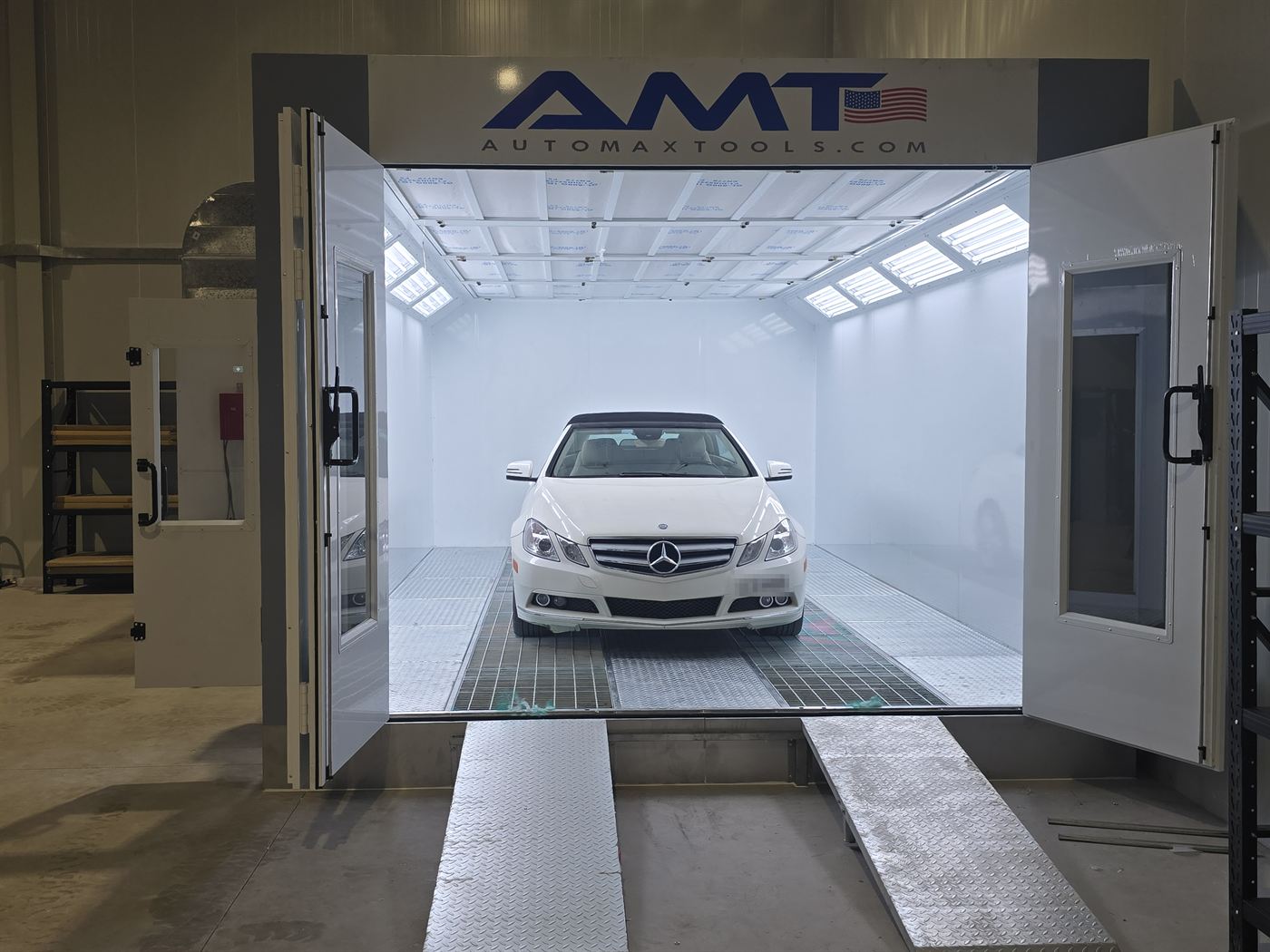
UAE sun is hard on paintwork year-round, but July intensifies it. UV exposure combined with surface heat accelerates clear-coat oxidation, causing paint to dull and fade faster than in milder climates, while dust and grit baked onto a hot bonnet by direct sun can create fine scratches during normal washing if not rinsed off properly first. Bird droppings and tree sap etch into hot paint far faster than into a cool surface, sometimes within an hour. Regular washing, a quality wax or ceramic coating for UV protection, and parking in shade whenever available all meaningfully extend the life of your paintwork through the summer months.
Quick July Heat Checklist
- Check tyre pressure weekly, when tyres are cold
- Get AC performance checked if airflow feels weaker than usual
- Test battery health if it's more than 2 years old
- Top up or flush coolant if it's due, and watch the temperature gauge
- Move to a shorter oil change interval during peak summer
- Use a sunshade and park in shade whenever possible
- Rinse dust off before washing to avoid fine paint scratches
- Check hoses, belts, and rubber seals for cracking
- Don't ignore small coolant or AC gas leaks — they only get worse in heat
- Book a pre-summer inspection before problems become breakdowns
When to Bring Your Vehicle In
Most of what we've covered here can be caught early with a straightforward inspection — long before it turns into an AC system replacement, a cracked engine block, or a roadside breakdown on a 48°C afternoon. If your AC feels weaker than it did a month ago, if you've noticed your temperature gauge creeping higher in traffic, if your battery is over two years old, or if it's simply been a while since your tyres, coolant, and belts were properly checked, now is the time — not after something fails. We diagnose first, explain exactly what we find in plain language, and quote clearly before any work begins, so you know exactly what your vehicle needs to get through the rest of the summer safely.
Book a pre-summer heat check with our technicians on WhatsApp, and we'll go through your AC, battery, coolant, tyres, and oil condition in one visit — same-day service in most cases, with honest advice on what genuinely needs attention now versus what can wait.